
Effective office storage isn’t just about tidiness; it’s a cornerstone of productivity and employee well-being. From maximizing limited space in a home office to optimizing workflow in a large corporate setting, the right storage solutions dramatically impact efficiency and overall workplace atmosphere. This exploration delves into diverse options, from traditional filing cabinets to innovative modular systems, offering practical guidance and insights for creating a functional and organized workspace.
We’ll examine various storage materials, comparing their durability, cost-effectiveness, and aesthetic appeal. We’ll also address the specific storage needs of different office types and functions, including document management, technology equipment, and general supplies. Furthermore, we’ll explore ergonomic considerations, security protocols, and environmentally conscious choices to ensure a holistic approach to office storage.
Types of Office Storage Solutions
Effective office storage is crucial for productivity and a well-organized workspace. Choosing the right storage solution depends on several factors, including the size of your office, the type of documents and materials you need to store, and your budget. This section will explore various options available, highlighting their features and suitability for different office environments.
Office Storage Solutions Overview
The selection of office storage solutions is diverse, ranging from simple shelving units to sophisticated modular systems. Each type offers unique advantages and disadvantages depending on the specific needs of the office. The following table provides a comparison of common options.
| Type | Material | Capacity | Benefits |
|---|---|---|---|
| Cabinets | Wood, metal, plastic | Varies greatly depending on size and design; can range from small filing cabinets to large, multi-section units. | Secure storage, often with locking mechanisms; provides a neat, organized appearance; suitable for sensitive documents and valuable items. |
| Shelves | Wood, metal, plastic, wire | Highly variable; depends on shelf dimensions, number of shelves, and load capacity per shelf. | Versatile and adaptable; easily adjustable to accommodate various item sizes; cost-effective for general storage. |
| Drawers | Wood, metal, plastic | Dependent on drawer size and number of drawers; suitable for smaller items requiring individual compartments. | Organized storage; protects items from dust and damage; ideal for filing systems and smaller equipment. |
| Modular Systems | Metal, plastic | Highly customizable and scalable; can be expanded or reconfigured as needed. | Flexible and adaptable to changing needs; efficient use of space; allows for personalized storage solutions. |
Comparison of Storage Materials
The material used for office storage significantly impacts its durability, aesthetics, and cost.Wood offers a classic, professional look and is relatively durable, but it can be susceptible to damage from moisture and scratches. Metal is strong, durable, and resistant to damage, making it ideal for heavy-duty storage, but it can be more expensive and may require more maintenance to prevent rust.
Plastic is lightweight, affordable, and easy to clean, but it may not be as durable as wood or metal and might not be suitable for heavy items.
Suitability of Storage Solutions for Different Office Types
The ideal storage solution varies considerably depending on the office’s size and function.Small offices often benefit from multi-functional, space-saving solutions such as modular systems or wall-mounted shelves. Large offices may require more extensive storage solutions, including multiple cabinets, shelving units, and potentially specialized storage for equipment or archives. Home offices can often utilize a combination of shelving, drawers, and cabinets, depending on the available space and the individual’s storage needs.
For example, a small home office might utilize a compact shelving unit and a small filing cabinet, while a larger home office could incorporate a more extensive shelving system and a dedicated storage area.
Optimizing Office Space with Storage
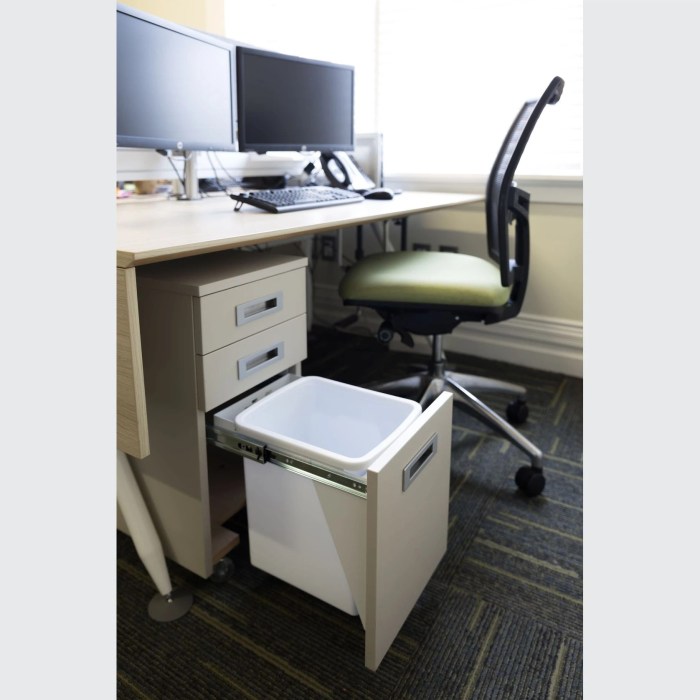
Effective storage solutions are crucial for maximizing productivity and creating a comfortable work environment in any office, regardless of size. Poorly managed storage leads to wasted space, decreased efficiency, and a cluttered atmosphere that hinders workflow. By strategically implementing various storage options and employing organizational strategies, offices can significantly improve their functionality and overall aesthetic appeal. This section explores practical approaches to optimize office space through intelligent storage planning and implementation.
Small Office Layout Maximizing Storage
A well-designed layout is essential for maximizing storage in a small office. Consider a space approximately 10ft x 10ft. One possible configuration involves placing a tall, multi-sectioned shelving unit against one wall, extending from floor to ceiling. This provides ample vertical storage for files, books, and supplies. A smaller, horizontal filing cabinet can be positioned beneath the shelving unit to accommodate frequently accessed documents.
The opposite wall could feature a desk with built-in drawers and a compact, mobile storage cart underneath for additional workspace storage. The remaining walls can be kept relatively clear to maintain a sense of openness, with perhaps a narrow, wall-mounted shelf for decorative items or frequently used stationery. This design utilizes both vertical and horizontal space effectively, keeping the floor space relatively uncluttered for easy movement.
Decluttering and Organizing Strategies for Improved Efficiency
Decluttering and organizing are key to improving office efficiency and workflow. Begin by removing any unnecessary items. This could involve purging outdated documents, disposing of broken equipment, and donating unused supplies. Next, categorize remaining items based on frequency of use and importance. Frequently used items should be readily accessible, while less frequently used items can be stored in higher or more remote locations.
Implementing a clear labeling system for all storage containers helps maintain organization and simplifies the process of locating specific items. Regular decluttering sessions, perhaps once a month or quarterly, help prevent the accumulation of clutter and maintain a productive workspace.
Maximizing Vertical Space with Shelving and Overhead Storage
Vertical space is often underutilized in offices. Tall shelving units, reaching close to the ceiling, are ideal for maximizing storage capacity. These units can accommodate a wide range of items, from files and books to office supplies and equipment. Overhead storage solutions, such as loft-style storage units or suspended cabinets, provide additional space for items that are not frequently accessed.
When implementing vertical storage solutions, consider the weight capacity of the units and ensure they are securely fastened to the walls or ceiling to prevent accidents. Utilizing space above doorways or windows with narrow shelves is another effective way to incorporate vertical storage without compromising floor space. Remember to consider accessibility; placing heavier or less frequently used items on higher shelves is a good practice.
Storage Solutions for Specific Office Needs
Effective office storage goes beyond simply having enough space; it’s about optimizing workflow and ensuring easy access to necessary materials. Choosing the right storage solution depends heavily on the specific needs of your office and the types of items you need to store. This section will delve into storage solutions tailored to common office needs.
Selecting appropriate storage solutions directly impacts productivity and efficiency. Poorly organized storage can lead to wasted time searching for items, while well-planned storage facilitates a smoother workflow and a more professional image.
Document Management Storage Solutions
Efficient document management is crucial for any office. A robust system ensures easy retrieval, protects sensitive information, and streamlines workflows. The following options provide different approaches to document storage, each with its own advantages.
- Filing Cabinets: Traditional filing cabinets offer secure, readily accessible storage for paper documents. Different sizes and configurations cater to various needs, from small lateral files for personal use to large, multi-drawer cabinets for larger offices. They provide physical security against unauthorized access.
- Document Shredders: Essential for maintaining data security and complying with privacy regulations, document shredders securely destroy sensitive documents, preventing unauthorized access to confidential information. Options range from small, personal shredders to high-capacity models for larger offices.
- Digital Archiving Systems: Cloud-based or on-premise digital archiving systems offer a secure and efficient method for storing and managing electronic documents. These systems provide features such as version control, search functionality, and access control, ensuring easy retrieval and protection of digital files. They often integrate with other office software for streamlined workflows.
Technology Equipment Storage Solutions
The safe and efficient storage of technology equipment is paramount, considering both the value of the equipment and the potential disruption caused by damage or loss. Storage solutions must prioritize security and accessibility.
- Server Racks: For storing servers and network equipment, server racks provide secure, climate-controlled environments. They often include features like locking doors and ventilation systems to protect equipment from damage and ensure optimal performance. They also allow for easy cable management.
- Secure Cabinets: These cabinets provide a physical barrier against theft and unauthorized access for computers, laptops, and other valuable equipment. They often feature locking mechanisms and sturdy construction to protect against physical damage.
- Cable Management Systems: Effective cable management is critical for preventing damage to equipment and maintaining a clean, organized workspace. Systems like cable trays, ties, and labels keep cables organized and prevent tangling, improving accessibility and reducing the risk of equipment damage.
Specialized Storage for Office Supplies
Utilizing specialized storage solutions for office supplies like stationery and printing materials improves efficiency and organization. This minimizes wasted time searching for items and ensures supplies are readily available when needed.
- Modular Drawer Units: These units offer customizable storage for a wide variety of stationery items, allowing for efficient organization and easy access. Different sized drawers can accommodate pens, pencils, paper clips, and other small items.
- Storage Carts: Mobile storage carts are ideal for storing and transporting frequently used supplies, such as printer paper, ink cartridges, and other larger items. Their mobility allows for easy access to supplies throughout the office.
- Wall-Mounted Organizers: Wall-mounted organizers provide convenient storage for frequently used items, maximizing vertical space and keeping supplies within easy reach. They are particularly useful for smaller offices where floor space is limited.
Budget-Friendly Storage Solutions
Effective office storage doesn’t necessitate a large budget. Many affordable and ingenious solutions exist for small businesses and home offices, allowing for efficient organization without significant financial investment. By carefully considering materials, repurposing existing items, and prioritizing practicality, significant cost savings are achievable.
Cost-effective storage options are crucial for maintaining a productive and organized workspace without overspending. Prioritizing solutions that maximize space and minimize costs allows for better allocation of resources towards other essential business needs. This section explores various budget-friendly storage solutions and DIY approaches.
Affordable Storage Solutions for Small Businesses and Home Offices
Several readily available and inexpensive options can significantly improve office storage. These solutions balance affordability with functionality, providing practical storage without compromising quality or durability (within reasonable expectations for their price point).
- Plastic Storage Bins: These are widely available at discount stores and online retailers. Their lightweight nature and stackability make them ideal for storing documents, supplies, or seasonal items. The cost per bin is typically very low, making them an economical choice for large-scale storage needs.
- Wire Shelving Units: These are relatively inexpensive and offer adjustable shelving, making them adaptable to various storage needs. They are readily available at most home improvement stores and offer good value for their price, especially for larger storage capacities.
- Cardboard Storage Boxes: While less durable than plastic, cardboard boxes offer a very low-cost option for temporary or short-term storage. They are easily sourced (often free from local businesses), making them a particularly economical choice for archiving or moving items.
- Under-Desk Storage Drawers: These slide neatly under a desk, maximizing vertical space. They are inexpensive and provide easy access to frequently used items, improving workspace efficiency without taking up valuable floor space.
DIY Storage Solutions and Repurposing Existing Items
Creative repurposing of existing items can dramatically reduce storage costs. This approach not only saves money but also reduces waste, promoting sustainability in the workplace. A little ingenuity can transform ordinary items into functional storage solutions.
- Repurposing Old Drawers: Old dressers or chests of drawers can be easily converted into filing cabinets or storage units for smaller items. A fresh coat of paint can enhance their appearance and integrate them seamlessly into the office environment.
- Using Empty Jars and Cans: Cleaned and decorated jars and cans can become attractive storage containers for pens, pencils, and other small office supplies. This is a creative and environmentally friendly solution, utilizing recycled materials.
- Building Shelves from Reclaimed Wood: Using reclaimed wood pallets or salvaged lumber can create unique and affordable shelving units. This method requires some DIY skills, but the cost savings can be substantial compared to purchasing ready-made shelves.
Long-Term Cost-Effectiveness of Different Storage Solutions
The long-term cost-effectiveness of storage solutions depends on factors like durability, maintenance requirements, and replacement frequency. While inexpensive options might seem attractive initially, higher-quality materials often prove more cost-effective in the long run due to increased longevity and reduced maintenance.
For instance, while cardboard boxes are cheap upfront, they are prone to damage and require frequent replacement. Conversely, high-quality metal or plastic shelving units, while more expensive initially, tend to last significantly longer, reducing the need for frequent replacements and ultimately proving more economical over time. Regular maintenance, such as cleaning and minor repairs, can further extend the lifespan of any storage solution, regardless of its initial cost.
Security and Data Protection in Office Storage
Protecting sensitive information and valuable equipment is paramount for any office. Effective security measures safeguard against theft, damage, and unauthorized access, ensuring business continuity and protecting confidential data. A comprehensive approach encompasses physical security, data encryption, and access control systems.
Secure office storage involves a multi-layered strategy combining physical and digital safeguards. Physical security focuses on preventing unauthorized entry and theft, while data encryption protects sensitive information even if it falls into the wrong hands. Access control systems regulate who can access storage areas and what they can access, further enhancing security.
Physical Security Measures for Sensitive Documents and Data
Implementing robust physical security measures is the first line of defense against theft and unauthorized access. This includes installing high-quality locks on storage units, utilizing security cameras with recording capabilities for monitoring activity, and employing alarm systems that alert authorities in case of breaches. Strategic placement of storage units in well-lit and easily visible areas also acts as a deterrent.
Furthermore, restricting access to storage areas to authorized personnel only, and implementing a system for signing in and out of secure areas, further enhances physical security. Regular security audits and employee training on security protocols are also essential components.
Data Encryption Techniques for Protecting Sensitive Information
Data encryption transforms readable data into an unreadable format, protecting it from unauthorized access even if the storage medium is compromised. Several encryption methods exist, ranging from simple password protection for files to advanced encryption standards (AES) used for entire storage systems. Employing strong passwords, regularly updating encryption keys, and utilizing encryption software specifically designed for sensitive data are crucial.
Consider implementing full-disk encryption for computers and laptops storing sensitive data. Regularly backing up encrypted data to a separate, secure location ensures business continuity in the event of data loss or system failure. This redundancy prevents data loss even if the primary storage is compromised.
Fire-Resistant Storage Solutions for Document and Equipment Protection
Fire poses a significant threat to irreplaceable documents and expensive equipment. Fire-resistant cabinets and storage solutions provide a crucial layer of protection, safeguarding valuable assets from fire damage. These cabinets are constructed with materials designed to withstand high temperatures and prevent the spread of flames, allowing crucial documents and equipment to survive a fire. The fire resistance rating of a cabinet is crucial and should be chosen based on the level of risk and the value of the stored items.
Regular inspection and maintenance of fire-resistant storage solutions are essential to ensure their continued effectiveness. Consider integrating these cabinets with a sprinkler system for additional fire protection.
Access Control Systems for Maintaining Office Storage Security
Access control systems regulate who can access specific storage areas and what they can access within those areas. These systems can range from simple key-card systems to more sophisticated biometric systems that utilize fingerprints or retinal scans for identification. Access logs maintain a record of who accessed which storage areas and when, providing an audit trail for security purposes.
Implementing a robust access control system minimizes the risk of unauthorized access and theft, ensuring only authorized personnel can access sensitive information and equipment. Regular reviews of access permissions are necessary to ensure they align with current roles and responsibilities. This ensures that access is only granted to those who need it.
Sustainable Storage Solutions for the Office
Creating a sustainable office environment extends beyond energy efficiency and waste reduction; it encompasses every aspect, including storage solutions. Choosing eco-friendly storage options minimizes the environmental impact of your workplace and contributes to a greener future. This section explores sustainable storage choices, their environmental implications, and practical strategies for implementing sustainable storage practices.Eco-friendly storage solutions are increasingly available, offering businesses a way to reduce their carbon footprint and contribute to a more sustainable future.
These options often prioritize recycled materials, renewable resources, and efficient designs to minimize resource consumption and waste generation throughout their lifecycle. Understanding the environmental impact of various materials and manufacturing processes is crucial for making informed decisions.
Eco-Friendly Storage Materials and Manufacturing
Sustainable storage solutions utilize materials with a lower environmental impact compared to traditional options. Recycled materials, such as post-consumer recycled plastic and reclaimed wood, significantly reduce the demand for virgin resources and minimize landfill waste. Rapidly renewable resources like bamboo and sustainably harvested wood offer alternatives to materials with high embodied carbon. Manufacturing processes that prioritize energy efficiency and minimize waste further contribute to the sustainability of these products.
For example, a shelving unit made from recycled steel requires significantly less energy to produce than one made from newly mined iron ore, and its eventual recycling is simpler and more efficient. Similarly, storage containers made from recycled cardboard require less energy and resources than those made from virgin materials.
Environmental Impact of Storage Materials
The environmental impact of storage materials varies greatly depending on their source, manufacturing process, and end-of-life management. Traditional materials like virgin plastic and wood often have a high carbon footprint due to the energy required for extraction, processing, and transportation. The manufacturing processes associated with these materials can also generate significant pollution. In contrast, recycled materials and sustainably harvested resources have a lower environmental impact, reducing greenhouse gas emissions and pollution.
The longevity and durability of storage solutions are also key factors; longer-lasting products reduce the need for frequent replacements, minimizing waste and resource consumption over time. For example, a high-quality steel filing cabinet, properly maintained, will last for decades, reducing the overall environmental impact compared to a cheaper, less durable alternative that needs replacing frequently.
Strategies for Reducing Waste and Promoting Sustainability
Implementing sustainable storage practices requires a holistic approach. Optimizing storage space to minimize the need for additional storage units is a crucial first step. This can involve implementing efficient filing systems, decluttering regularly, and utilizing vertical space effectively. Prioritizing durable and repairable storage solutions extends their lifespan and reduces waste. Choosing storage solutions with modular designs allows for adaptation and expansion as needed, reducing the likelihood of purchasing unnecessary additional units.
Furthermore, establishing a clear policy for recycling and disposing of old storage materials ensures that they are managed responsibly and contribute to a circular economy. For example, implementing a program to reuse or repurpose old filing cabinets or shelving units within the office can significantly reduce waste. Additionally, choosing suppliers who prioritize sustainable practices and transparently report their environmental impact helps ensure the sustainability of the entire supply chain.
Ultimately, the ideal office storage solution is a personalized blend of practicality, aesthetics, and budget considerations. By carefully evaluating space constraints, workflow patterns, and specific needs, businesses and individuals can create a highly functional and inspiring workspace. Investing in efficient storage isn’t merely about clearing clutter; it’s about fostering a productive environment that supports both employee well-being and organizational success.
The strategies and solutions presented here provide a solid foundation for creating an office space that is both organized and conducive to optimal performance.
FAQ Overview
What are the best storage solutions for a small home office?
Multifunctional furniture (like ottomans with storage), vertical shelving units, and wall-mounted organizers are excellent space-saving options for small home offices.
How can I improve the security of my sensitive documents?
Use locked filing cabinets, consider fire-resistant safes, and implement access control measures to restrict access to sensitive documents. Digital documents should be encrypted and stored securely.
What is the difference between modular and traditional storage systems?
Modular systems offer flexibility and scalability, allowing you to adjust configurations as needed. Traditional systems (cabinets, shelves) are often more static but can be more cost-effective initially.
How do I choose the right material for my office storage?
Consider durability, cost, aesthetic appeal, and the specific needs of your storage (e.g., metal for strength, wood for aesthetics, plastic for budget-friendliness).


