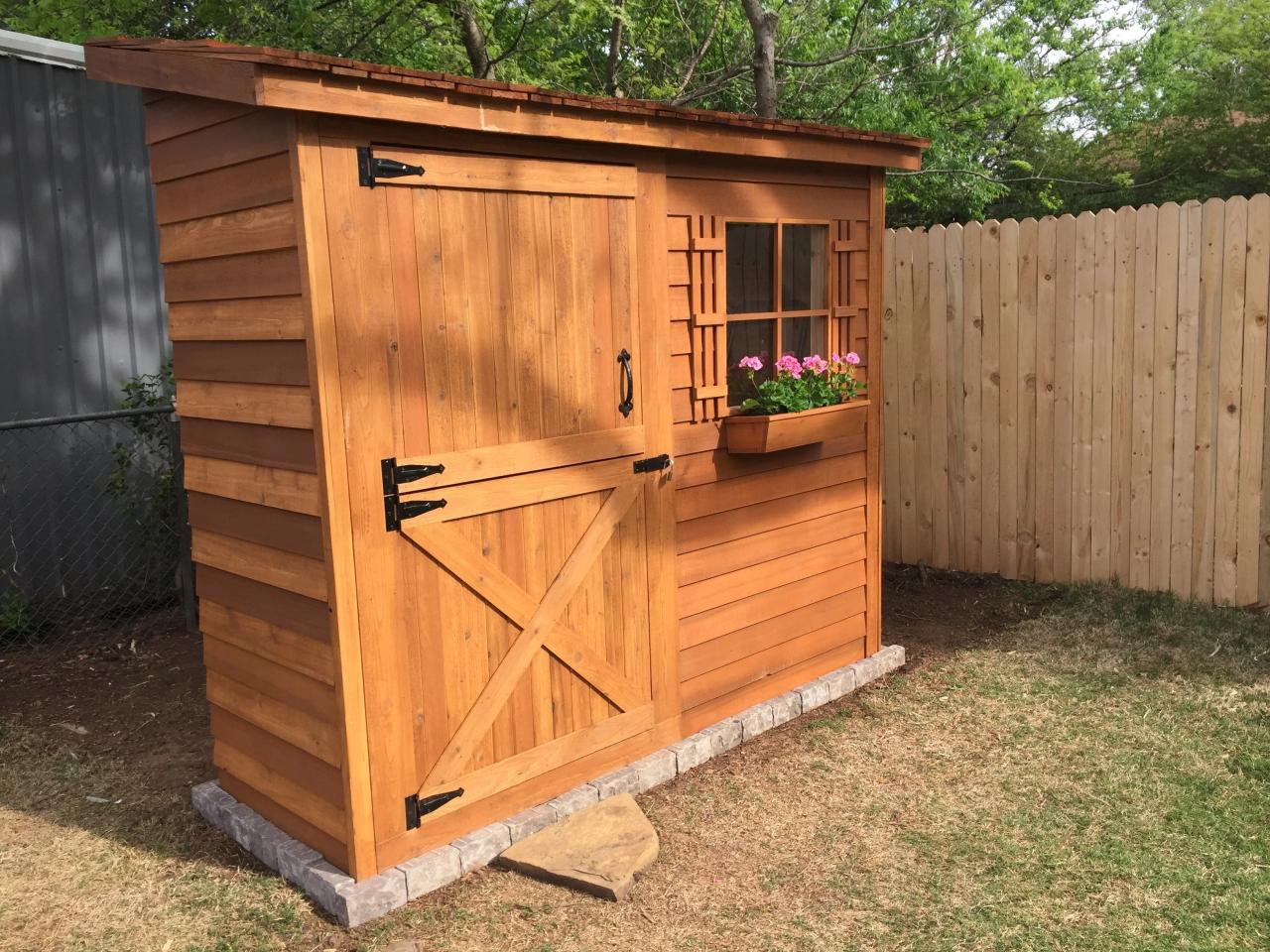
Efficient outdoor storage is crucial for maintaining a tidy and functional living space. From sprawling suburban yards to compact urban balconies, the need for secure and weather-resistant storage solutions is universal. This guide explores a variety of options, helping you choose the perfect fit for your needs and budget, considering factors such as material durability, capacity, and aesthetic integration with your existing landscape.
We’ll delve into the specifics of various storage types – sheds, containers, cabinets, and shelving – comparing their strengths and weaknesses in terms of cost, maintenance, and longevity. Understanding these factors is key to making an informed decision that maximizes both functionality and value.
Types of Outdoor Storage Solutions
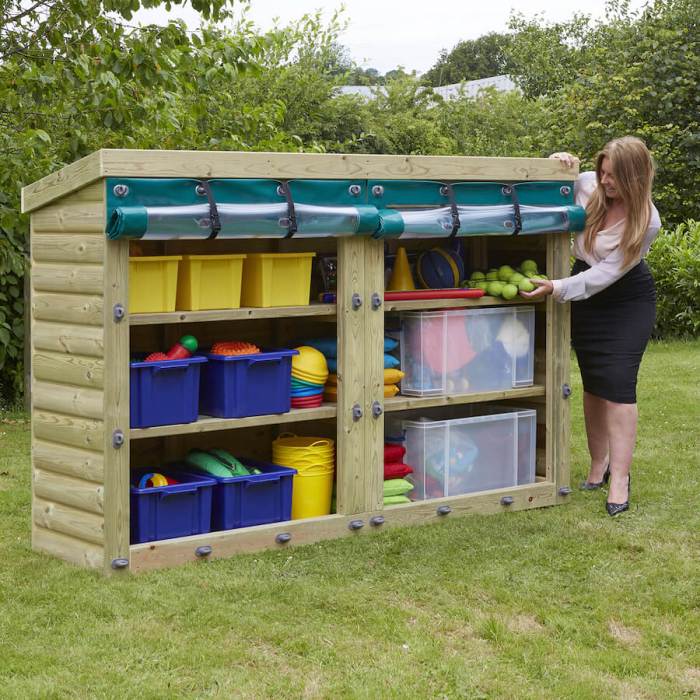
Choosing the right outdoor storage solution depends on several factors, including the amount of space available, the items you need to store, your budget, and the aesthetic appeal you desire. This section explores various options and their respective pros and cons.
Outdoor Storage Solution Types
| Type | Description | Materials | Advantages | Disadvantages |
|---|---|---|---|---|
| Sheds | Typically larger structures offering significant storage capacity. They can range from simple, basic designs to elaborate structures with features like windows and electricity. | Wood, metal, vinyl, resin | High storage capacity, versatile, can be customized. | Relatively high cost, requires assembly (often), may need regular maintenance. |
| Storage Containers | Durable, weather-resistant metal boxes, often used for larger-scale storage needs. They are readily available and easily moved with appropriate equipment. | Steel, sometimes coated with weather-resistant paint. | Extremely durable, weather-resistant, readily available, secure. | Can be expensive, large footprint, not aesthetically pleasing to all. |
| Cabinets | Smaller, enclosed storage units, often made of weather-resistant materials. Ideal for storing smaller items like garden tools or patio furniture cushions. | Wood, metal, plastic, resin | Weather-resistant, lockable, relatively inexpensive. | Limited storage capacity compared to sheds or containers. |
| Shelving Units | Open or enclosed shelving systems for storing various items. Can be wall-mounted or freestanding. | Metal, plastic, wood | Versatile, customizable, relatively inexpensive, can be easily moved. | Less protection from the elements compared to enclosed storage options. |
Material Durability and Weather Resistance
The durability and weather resistance of outdoor storage solutions are significantly influenced by the materials used in their construction. Wood, while aesthetically pleasing, requires regular maintenance to prevent rot and insect damage. Metal, particularly steel, offers superior durability and weather resistance but can rust without proper treatment. Plastic and resin options provide good weather resistance and low maintenance, but may not be as durable as metal.
The lifespan of each material varies greatly depending on factors such as exposure to the elements, quality of construction, and maintenance practices. For instance, a pressure-treated wooden shed might last for 15-20 years with proper care, while a high-quality metal shed could last significantly longer. A plastic resin shed, on the other hand, may show signs of degradation after 10 years or less.
Cost, Maintenance, and Lifespan of Outdoor Storage Solutions
The cost of outdoor storage solutions varies considerably depending on the size, material, and features. Sheds generally represent the highest initial investment, followed by storage containers. Cabinets and shelving units are typically the most affordable options. Maintenance requirements also vary. Wooden structures require regular cleaning, painting, or staining to prevent deterioration.
Metal structures may require occasional rust treatment. Plastic and resin options generally require minimal maintenance, usually just occasional cleaning. The lifespan of each type is directly influenced by the quality of materials and the level of maintenance provided. Proper maintenance significantly extends the lifespan of any outdoor storage solution, regardless of the material used.
Factors to Consider When Choosing Outdoor Storage
Selecting the right outdoor storage solution requires careful consideration of several key factors to ensure it meets your needs and enhances, rather than detracts from, your property. Choosing wisely will save you time, money, and potential frustration in the long run. This section Artikels crucial aspects to evaluate before making a purchase.
- Size and Capacity: Accurate assessment of your storage needs is paramount. Measure the items you intend to store to determine the minimum required internal dimensions. Consider future needs; purchasing a slightly larger unit than initially needed often proves beneficial. Don’t forget to account for the unit’s overall footprint, ensuring sufficient space for placement and access.
- Accessibility: Easy access to stored items is crucial. Consider the unit’s door design (e.g., double doors for larger items), shelving configuration (adjustable shelves are highly recommended), and overall ease of opening and closing. If you anticipate frequent access, a unit with easy-to-operate features is essential.
- Security Features: The level of security required depends on the valuables being stored. Features like sturdy locks, reinforced construction, and tamper-resistant designs are important for protecting your belongings. Consider a unit with a strong, secure locking mechanism and potentially additional security measures like anchoring to a surface.
- Aesthetic Appeal: Outdoor storage shouldn’t be an eyesore. Consider the unit’s material, color, and overall design to ensure it complements your property’s aesthetic. Many manufacturers offer units in a range of styles and colors to blend seamlessly with different environments.
Decision-Making Flowchart for Outdoor Storage Selection
A structured approach simplifies the selection process. The following flowchart Artikels a logical sequence of decisions based on key factors.
Start: Assess your storage needs (volume, types of items).
Decision 1: Budget – Do you have a strict budget limit? (Yes/No)
Yes: Explore budget-friendly options (sheds, smaller storage boxes). Proceed to Decision 3.
No: Consider a wider range of options (high-end sheds, custom-built structures). Proceed to Decision 2.
Decision 2: Available Space – Is space limited? (Yes/No)
Yes: Prioritize compact storage solutions (vertical storage, wall-mounted units). Proceed to Decision 4.
No: Consider larger units (larger sheds, multiple storage containers). Proceed to Decision 4.
Decision 3: Security Needs – Are high-security features essential? (Yes/No)
Yes: Choose units with robust locks and durable construction. Proceed to Decision 5.
No: Consider units with standard security features. Proceed to Decision 5.
Decision 4: Aesthetic Preferences – Do you have specific aesthetic requirements? (Yes/No)
Yes: Choose a unit that complements your property’s style. Proceed to Decision 5.
No: Focus on functionality and practicality. Proceed to Decision 5.
Decision 5: Material and Durability – What material and level of weather resistance is needed? (Choose: Wood, Metal, Plastic, Resin)
End: Select the outdoor storage solution that best meets your criteria.
Local Building Codes and Regulations
Before installing any outdoor storage structure, it is crucial to check with your local authorities regarding building codes and regulations. These regulations often address factors such as size limitations, setback requirements (minimum distance from property lines), permitted materials, and necessary permits. Failure to comply with local regulations can result in fines or even the need to remove the structure. Contact your local building department or planning office for specific information relevant to your location and the type of storage unit you intend to install.
For example, some municipalities might restrict the height of sheds or require specific foundation types. Ignoring these regulations can lead to significant problems down the line.
STORAGE SOLUTIONS (General Overview)
Effective storage solutions are crucial for maintaining organization and maximizing space utilization, whether indoors or outdoors. The optimal solution depends on a variety of factors, including the type of items being stored, the available space, and budgetary considerations. This section provides a comparative overview of various storage options, highlighting their strengths and weaknesses.
Choosing the right storage solution involves careful consideration of several key aspects. Functionality refers to how well the storage method meets your specific needs, for example, whether it protects items from the elements or provides easy access. Cost-effectiveness considers the initial purchase price, maintenance costs, and longevity of the storage solution. Suitability depends on the type of items you need to store; delicate clothing requires different storage than heavy tools.
An effective storage system significantly enhances organization and frees up valuable space, improving the overall functionality of both indoor and outdoor areas.
Types of Storage Solutions and Their Comparison
| Storage Solution | Functionality | Cost-Effectiveness | Suitability |
|---|---|---|---|
| Indoor Closets & Drawers | Provides climate-controlled storage, ideal for clothing and delicate items. Offers good organization with shelves and drawers. | Generally moderate cost, depending on materials and size. Maintenance is minimal. | Excellent for clothing, linens, and other delicate items. Not suitable for bulky or outdoor equipment. |
| Outdoor Sheds | Offers ample space for larger items, protecting them from weather. Can be customized with shelving and workbenches. | Cost varies greatly depending on size and materials (wood, metal, plastic). Requires regular maintenance to prevent deterioration. | Suitable for lawnmowers, garden tools, sports equipment, and other bulky items. Not ideal for delicate items or electronics. |
| Plastic Storage Bins | Versatile and stackable, suitable for both indoor and outdoor use (weather-resistant options available). | Relatively inexpensive and readily available. Durable but can degrade over time with prolonged sun exposure. | Suitable for a wide range of items, from clothing to tools. Provides good organization but requires labeling for easy identification. |
| Indoor Shelving Units | Maximizes vertical space, ideal for books, dishes, and other items. Offers good visibility and accessibility. | Cost varies widely depending on materials and size. Minimal maintenance required. | Suitable for books, dishes, pantry items, and other smaller items. Not suitable for heavy or bulky items. |
| Outdoor Storage Cabinets | Weather-resistant and lockable, ideal for securing valuable tools or equipment. Often include shelves for organization. | Moderately expensive, with costs depending on size, materials, and features (lock, wheels). Requires minimal maintenance. | Suitable for tools, gardening supplies, and other outdoor equipment that needs protection from the elements and theft. |
Ultimately, selecting the right outdoor storage solution involves a careful consideration of your individual needs, available space, and budget. By weighing the pros and cons of different materials and designs, and by implementing effective organization strategies, you can create a storage system that is both practical and aesthetically pleasing. Remember that proper maintenance is crucial for extending the lifespan of your chosen solution and protecting its contents from the elements.
With careful planning and the right approach, you can transform cluttered outdoor areas into organized and functional spaces.
Questions and Answers
What is the best material for outdoor storage in a humid climate?
Vinyl or resin are excellent choices for humid climates due to their resistance to moisture and rot.
How do I prevent pests from getting into my outdoor storage?
Regular cleaning, sealing any cracks or gaps, and using airtight containers for stored items will help deter pests.
What are some creative ways to camouflage outdoor storage?
Consider painting your storage unit to match your house or fence, planting climbing vines, or using it as a base for a garden feature.
Do I need a permit to install an outdoor storage shed?
Permit requirements vary by location. Check with your local building department before installation.


