
In an era defined by growing environmental awareness, the quest for sustainable practices extends beyond individual choices to encompass even the seemingly mundane aspects of daily life, including storage. Eco-friendly storage solutions are no longer a niche market; they represent a significant shift towards responsible consumption and a mindful approach to resource management. This exploration delves into the diverse world of sustainable storage, examining its environmental benefits, economic advantages, and the innovative solutions shaping its future.
From the materials used in manufacturing to the lifecycle impact of these products, we will investigate how eco-conscious storage options contribute to a healthier planet. We’ll explore various types of sustainable storage, compare them to traditional alternatives, and highlight the key factors driving the market’s growth towards a greener future. Ultimately, this analysis aims to equip readers with the knowledge needed to make informed choices and contribute to a more sustainable world.
Defining Eco-Friendly Storage
Eco-friendly storage solutions represent a shift towards sustainability in the manufacturing and use of products designed to store items. These solutions prioritize minimizing environmental impact throughout their entire lifecycle, from sourcing raw materials to eventual disposal or recycling. This contrasts sharply with traditional storage methods that often rely on resource-intensive materials and manufacturing processes.Eco-friendly storage solutions are characterized by their use of sustainable materials, reduced energy consumption during production, and minimized waste generation throughout their lifecycle.
They aim to reduce the overall carbon footprint associated with storage and contribute to a more circular economy.
Sustainable Materials Used in Eco-Friendly Storage Solutions
The choice of materials is paramount in determining the environmental impact of storage solutions. Sustainable alternatives to conventional plastics and hardwoods are increasingly available. These materials often offer comparable durability and functionality while significantly reducing the environmental burden.
- Recycled Plastics: Many storage containers are now made from recycled plastics, diverting waste from landfills and reducing the demand for virgin plastic production. The use of post-consumer recycled (PCR) plastics is particularly beneficial, as it utilizes materials already in the waste stream.
- Bamboo: A rapidly renewable resource, bamboo is a strong, lightweight, and aesthetically pleasing alternative to hardwoods for shelving and storage units. Its cultivation requires minimal pesticides and fertilizers, further reducing its environmental impact.
- Recycled Cardboard: Cardboard boxes, a staple of storage, can be made from recycled paper fibers, significantly reducing the need for new tree harvesting. Furthermore, cardboard is easily recyclable at the end of its life.
- Seagrass: Seagrass baskets and containers offer a biodegradable and sustainable storage option. Seagrass is a rapidly renewable marine plant, and its harvesting can even contribute to healthier marine ecosystems.
- Cork: Cork is a sustainable material harvested from cork oak trees without harming the trees themselves. It is lightweight, durable, and naturally insulating, making it suitable for various storage applications.
Comparison of Traditional and Eco-Friendly Storage Solutions
Traditional storage solutions, often made from virgin plastics, hardwoods, or metals, typically have a higher environmental impact compared to their eco-friendly counterparts. The extraction and processing of these materials require significant energy consumption and often result in pollution and deforestation. Furthermore, these materials are not always easily recyclable, leading to increased landfill waste. Eco-friendly alternatives, utilizing recycled materials and renewable resources, significantly reduce these negative impacts.
For example, a plastic storage bin made from virgin petroleum-based plastic will have a far larger carbon footprint than one made from recycled plastic. Similarly, a wooden shelf made from sustainably harvested bamboo will have a much smaller impact than one made from unsustainable hardwoods like teak.
Lifecycle Assessment of Eco-Friendly Storage
A comprehensive lifecycle assessment (LCA) of eco-friendly storage solutions considers all stages, from raw material extraction and manufacturing to use, disposal, and potential recycling. The goal is to minimize environmental impacts at each stage. For instance, a bamboo storage shelf’s LCA would consider the energy used in harvesting and processing bamboo, the transportation to the manufacturing facility, the manufacturing process itself, its use, and finally, its potential for composting or biodegradation at the end of its life.
A well-designed LCA highlights areas for improvement and informs the development of even more sustainable storage solutions. This process allows for the identification of potential “hotspots” of environmental impact, such as high energy consumption during manufacturing or transportation, enabling manufacturers to focus on reducing these specific areas. The ultimate aim is to create a closed-loop system where materials are reused or recycled, minimizing waste and resource depletion.
Types of Eco-Friendly Storage Solutions
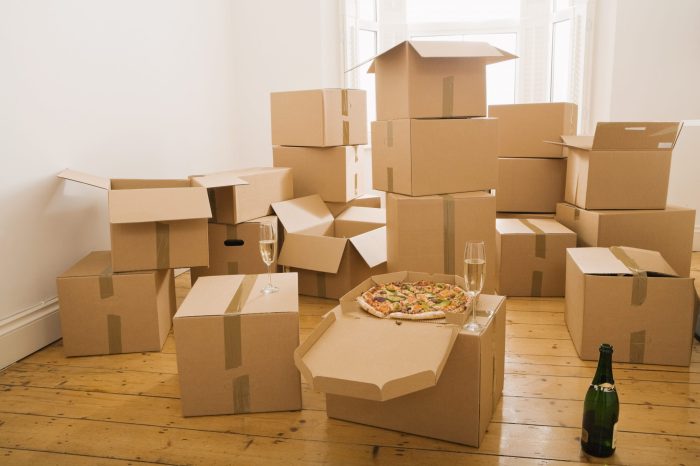
Eco-friendly storage solutions are gaining popularity as consumers become more aware of the environmental impact of their choices. These solutions offer a sustainable alternative to traditional storage options, minimizing waste and promoting the use of renewable resources. This section explores the various types of eco-friendly storage available, categorized by material and manufacturing process, highlighting their advantages and disadvantages.
Categorization of Eco-Friendly Storage by Material
Eco-friendly storage solutions are often categorized by the primary material used in their construction. This material choice significantly impacts the product’s environmental footprint, durability, and aesthetic appeal. Common materials include bamboo, recycled plastic, and reclaimed wood, each offering unique properties.
Comparison of Eco-Friendly Storage Solutions
The following table compares several eco-friendly storage options based on their material, pros, and cons. This comparison helps consumers make informed decisions based on their specific needs and priorities.
| Material | Pros | Cons | Example |
|---|---|---|---|
| Bamboo | Renewable, durable, aesthetically pleasing, biodegradable | Can be more expensive than plastic, susceptible to moisture damage if not properly treated | Bamboo shelving units, storage boxes |
| Recycled Plastic | Durable, water-resistant, often cost-effective | May not be as aesthetically pleasing as other options, recycling process can be energy-intensive depending on the type of plastic | Plastic storage bins, crates |
| Reclaimed Wood | Unique character, durable, sustainable use of existing resources | Can be more expensive, may require more maintenance, availability can be limited | Wooden crates, shelves, repurposed pallets |
| Cardboard (Recycled & FSC Certified) | Biodegradable, readily available, inexpensive | Less durable than other options, susceptible to damage from moisture | Moving boxes, storage boxes |
Manufacturing Processes of Eco-Friendly Storage Solutions
Understanding the manufacturing processes involved in creating eco-friendly storage highlights their commitment to sustainability. Let’s examine three examples:
Bamboo Storage Boxes: Bamboo stalks are harvested sustainably, often from managed forests. They are then processed, cleaned, and cut into appropriate sizes. The pieces are often joined using eco-friendly adhesives and finished with a natural oil or wax to enhance durability and water resistance. The final product is a strong, aesthetically pleasing storage box.
Recycled Plastic Storage Bins: The process begins with the collection and sorting of various types of plastic waste. This plastic is then cleaned, shredded, and melted down. The molten plastic is then molded into the desired shape of the storage bin using injection molding machines. The resulting bins are durable and water-resistant.
Reclaimed Wood Shelving: Reclaimed wood originates from sources like demolished buildings or old furniture. The wood is carefully inspected, cleaned, and often treated to remove any pests or decay. It is then cut, sanded, and assembled into shelving units, often using traditional joinery techniques or eco-friendly adhesives. The final product boasts a unique character and contributes to sustainable resource management.
Visual Representation of Eco-Friendly Storage Solutions
The visual representation would be a stylized infographic. The central element would be a large, circular diagram divided into sections representing the different materials: bamboo, recycled plastic, reclaimed wood, and cardboard. Each section would feature a small, representative image of a storage item made from that material (e.g., a bamboo box, a recycled plastic bin, reclaimed wood shelving, a cardboard box).
Arrows would connect the sections to a central core labeled “Eco-Friendly Storage Solutions,” emphasizing their shared commitment to sustainability. The infographic would also include concise text highlighting the key pros and cons of each material. The overall style would be clean, modern, and visually appealing, using a palette of earth tones and natural colors to reinforce the eco-friendly theme.
STORAGE SOLUTIONS
Efficient storage is paramount across numerous sectors, impacting operational efficiency, cost management, and overall sustainability. From managing vast inventories in logistics to optimizing shelf space in retail environments and maximizing usable space in homes, effective storage solutions are crucial for smooth operations and resource optimization. The design and implementation of these systems directly influence productivity, profitability, and environmental impact.
The Importance of Efficient Storage in Various Contexts
Efficient storage significantly impacts operational effectiveness across diverse sectors. In logistics, optimized warehousing minimizes transportation costs and reduces carbon emissions by streamlining product movement. Retail spaces benefit from efficient storage by maximizing product visibility and accessibility, leading to increased sales and reduced losses from damaged or misplaced goods. For households, efficient storage solutions create a more organized and functional living environment, reducing stress and improving quality of life.
The common thread is the need to balance space utilization with accessibility and cost-effectiveness.
Examples of Innovative Storage Solutions
Several innovative storage solutions are emerging to address the increasing demands for efficient and sustainable storage. Automated storage and retrieval systems (AS/RS) are increasingly common in large warehouses, utilizing robotics and sophisticated software to optimize inventory management and reduce human error. Vertical farming techniques employ vertical stacking of crops to maximize yield in limited space, significantly impacting food storage and distribution.
Modular shelving systems offer flexible and scalable storage solutions adaptable to various spaces and needs, allowing for easy reconfiguration as requirements change. Finally, dynamic shelving systems, often seen in libraries or archives, utilize automated mechanisms to retrieve specific items quickly, maximizing space utilization and accessibility.
Comparison of Storage Systems: Efficiency, Cost, and Scalability
Different storage systems offer varying degrees of efficiency, cost-effectiveness, and scalability. Traditional warehousing, while often cost-effective for basic needs, may lack the efficiency and scalability of automated systems. Automated systems, while highly efficient, involve significant upfront investment and may not be suitable for smaller businesses. Modular shelving offers a balance, providing flexibility and scalability at a relatively lower cost compared to automated systems.
The optimal choice depends on factors such as storage volume, budget, and operational requirements. A cost-benefit analysis considering long-term operational efficiency is crucial for selecting the most appropriate system.
Conceptual Model for a Flexible and Adaptable Storage System
A flexible and adaptable storage system should prioritize modularity, scalability, and sustainability. Imagine a system composed of standardized, stackable units made from recycled materials. These units could be easily configured to fit various spaces and needs, allowing for expansion or reconfiguration as storage requirements evolve. The system could incorporate smart sensors to monitor inventory levels and optimize space utilization.
Furthermore, the system’s design should prioritize accessibility, allowing for easy retrieval of items while minimizing wasted space. This modular and adaptable approach would reduce waste, increase efficiency, and minimize environmental impact. Such a system could incorporate features such as integrated lighting powered by renewable energy sources and automated inventory tracking for improved management.
The transition to eco-friendly storage solutions is not merely a trend; it’s a necessary step towards a more sustainable future. By understanding the environmental, economic, and social benefits associated with these solutions, consumers and businesses alike can actively participate in reducing their carbon footprint and promoting responsible consumption. The innovative materials, designs, and manufacturing processes emerging in this field offer exciting possibilities for the future, promising greater efficiency, durability, and reduced environmental impact.
Embracing sustainable storage is an investment in both a healthier planet and a more responsible future.
FAQ Insights
What are the drawbacks of eco-friendly storage solutions?
While eco-friendly storage offers numerous benefits, some options might be slightly more expensive upfront or have a limited availability compared to traditional solutions. Durability can also vary depending on the material and manufacturing process.
How can I properly dispose of eco-friendly storage when it’s no longer needed?
Check the manufacturer’s instructions for disposal recommendations. Many eco-friendly storage solutions are recyclable or biodegradable, contributing to a circular economy. Local recycling centers or waste management facilities can provide further guidance.
Are eco-friendly storage solutions suitable for all storage needs?
The suitability of eco-friendly storage depends on the specific storage needs. While many options are highly versatile, some materials might not be appropriate for extreme temperatures or high humidity. Careful consideration of the storage environment and contents is crucial.


