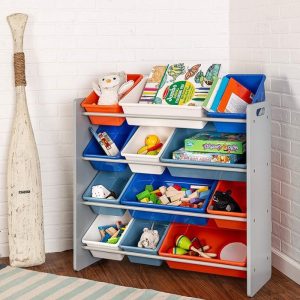
Transforming a child’s room from chaotic to calm requires strategic storage solutions. This guide explores a range of options, from stylish shelves to clever under-bed storage, addressing practical concerns and aesthetic preferences. We’ll delve into age-appropriate organization strategies, safety considerations, and design tips to create a functional and visually appealing space that promotes tidiness and a sense of order.
We’ll examine the pros and cons of various materials and storage types, offering practical advice for parents and caregivers seeking to maximize space and minimize clutter. Whether you’re dealing with a toddler’s toys, a school-aged child’s books, or a teenager’s clothes, we provide tailored solutions to meet diverse needs and developmental stages.
Organization and Space Optimization
Effective organization and space optimization are crucial for creating a functional and calming child’s bedroom. A well-organized space promotes independence, reduces stress, and fosters a sense of calm – benefits for both the child and the parent. Clever storage solutions can transform a cluttered room into a haven of order.
Maximizing space in a child’s room requires a thoughtful approach, considering both the available space and the child’s developmental stage. Different age groups have different needs and organizational skills, necessitating age-appropriate storage solutions. Utilizing vertical space, employing multi-functional furniture, and choosing the right type of storage containers are key elements in achieving an organized and efficient environment.
Age-Appropriateness in Storage Solutions
Storage solutions must be tailored to a child’s age and abilities. Toddlers require easily accessible, open storage to encourage self-sufficiency. Preschoolers benefit from clearly labeled containers and visual organization systems. School-aged children can manage more complex organizational methods, while teenagers appreciate customizable and stylish storage options that reflect their growing independence.
For example, a toddler’s room might feature low, open shelves with brightly colored bins for toys. A preschooler’s room could incorporate labeled drawers and baskets for clothes and books. A school-aged child’s room might include a combination of shelves, drawers, and hanging organizers for clothes and school supplies. A teenager’s room could benefit from modular shelving units, stylish storage ottomans, and under-bed storage solutions.
Step-by-Step Closet Organization
Organizing a child’s closet efficiently requires a systematic approach. This step-by-step guide utilizes various storage solutions to create a functional and visually appealing space.
Before beginning, gather all necessary supplies: storage bins, shelves, hangers, labels, and any other organizational tools. It’s also helpful to have a designated area outside the closet to sort items.
- Empty the Closet: Remove everything from the closet. This allows for a thorough cleaning and assessment of the space and contents.
- Clean the Closet: Wipe down shelves and rods to remove dust and dirt. This creates a fresh, clean base for organizing.
- Sort Items: Divide items into three categories: keep, donate, and discard. Be honest about what is still used and needed.
- Organize Clothing: Hang clothes that need to be hung, using appropriate hangers for different garment types. Fold and stack remaining clothes neatly in drawers or on shelves.
- Utilize Vertical Space: Install shelves to maximize vertical space. This allows for storing folded items efficiently.
- Use Storage Bins and Baskets: Store out-of-season clothes, accessories, and other items in labeled bins and baskets to keep things tidy and accessible.
- Add Hanging Organizers: Utilize hanging organizers for shoes, accessories, or smaller items. This keeps these items contained and easily visible.
- Maintain Organization: Regularly purge the closet of unwanted items and encourage the child to participate in maintaining the organization system.
Aesthetics and Child-Friendly Design
Creating a visually appealing and functional storage solution for a child’s room requires careful consideration of aesthetics and child-friendly design principles. The goal is to seamlessly integrate storage into the overall room design, making it both practical and engaging for the child. This involves selecting appropriate styles, utilizing creative placement strategies, and thoughtfully employing color, patterns, and textures.
Different aesthetic approaches can significantly impact the overall feel of a child’s room. Choosing a style that aligns with the child’s personality and the room’s existing décor is crucial for creating a cohesive and harmonious space. The right storage solution can enhance the room’s aesthetic appeal rather than detracting from it.
Aesthetic Approaches for Kids’ Room Storage
Several distinct aesthetic approaches can be employed when designing storage for a child’s room. A minimalist approach prioritizes clean lines, simple shapes, and a neutral color palette. This style creates a calming and organized atmosphere, ideal for children who thrive in a less stimulating environment. Alternatively, a playful approach incorporates bright colors, fun shapes, and whimsical patterns. This style is perfect for creating a vibrant and energetic space that stimulates a child’s imagination.
Themed storage solutions, such as pirate chests, fairytale castles, or spaceships, can further enhance the room’s playful ambiance and create a truly immersive environment for the child.
Creative Integration of Storage Solutions
Incorporating storage solutions seamlessly into the room’s design requires creativity and strategic planning. Built-in storage units can be cleverly disguised as furniture pieces, such as a bookshelf that doubles as a wardrobe or a bed with integrated drawers. Storage ottomans offer comfortable seating while providing hidden storage for toys or blankets. Wall-mounted shelves can be used to display books and toys, adding a decorative element while maximizing vertical space.
Using decorative baskets, fabric bins, or colorful boxes to contain items can add visual interest and conceal clutter effectively.
Utilizing Color, Patterns, and Textures
Color, patterns, and textures play a vital role in making storage solutions visually appealing and engaging for children. Bright and cheerful colors can stimulate creativity and imagination, while softer hues can create a calming atmosphere. Using patterns such as stripes, polka dots, or geometric shapes can add visual interest and personality. Employing a variety of textures, such as smooth wood, woven baskets, or soft fabrics, can add depth and tactile interest, making the storage solutions more inviting for children to interact with.
For example, a bright yellow bookshelf with playful polka dots can be a focal point in a room, while soft, textured fabric bins can add a calming element to a predominantly bright space. The key is to create a balance between visual stimulation and a sense of calm.
Safety and Durability Considerations
Choosing storage solutions for a child’s room requires careful consideration of safety and durability to ensure both functionality and a safe environment for your little one. Prioritizing these aspects will help create a space that is organized, aesthetically pleasing, and, most importantly, safe for your child.
Safety features are paramount. The materials used, the construction of the units, and the mechanisms involved all contribute to the overall safety of the storage solution. Durability, on the other hand, ensures the storage will withstand the wear and tear of everyday use, particularly in a high-traffic area like a child’s room.
Safety Features in Kids’ Room Storage Solutions
Several key safety features should be considered when selecting storage for a child’s room. These features contribute to a safer environment, reducing the risk of injury and promoting a worry-free experience for both parents and children.
- Sturdy Construction: Look for storage units with robust frames and strong joints. Avoid anything that feels flimsy or unstable. A well-constructed unit will resist tipping and withstand the weight of stored items. For example, a solid wood dresser will be more stable than a cheaply made particleboard one.
- Non-Toxic Materials: Choose storage made from non-toxic materials, especially if the unit will be used to store clothing or toys that a child may come into direct contact with. Look for certifications indicating compliance with safety standards. For example, ensure the paint or varnish used is lead-free.
- Secure Mechanisms: Drawers should have smooth-gliding mechanisms that prevent sudden closure and pinching. Cabinets should have secure latches or hinges that are child-resistant to prevent accidental opening and potential injury from falling objects. Consider units with soft-close features to prevent slamming.
Durability of Different Materials
The durability of a storage solution is directly linked to its longevity and ability to withstand the rigors of daily use in a child’s room. Different materials offer varying levels of durability, each with its own advantages and disadvantages.
- Plastic: Plastic storage is generally lightweight and relatively inexpensive. However, it can be less durable than wood, potentially cracking or breaking under significant stress. It is also less resistant to scratches and dents.
- Wood: Wooden storage solutions are typically more durable and resistant to damage than plastic. Solid wood is the most durable, but it is also more expensive. However, wood requires more care and maintenance to prevent damage from moisture or pests. Particleboard or MDF (medium-density fiberboard) are less expensive alternatives, but they are less durable and prone to damage.
- Fabric: Fabric storage solutions, such as bins and hampers, are lightweight and portable. They are generally less durable than wood or plastic and may tear or become misshapen with overuse. Their durability depends on the quality of the fabric and construction.
Safety Tips for Using and Maintaining Kids’ Room Storage Solutions
Proper use and regular maintenance are crucial to ensuring the continued safety and longevity of your child’s storage solutions. Following these tips will help maintain a safe and organized space.
- Always secure heavy or tall storage units to the wall to prevent tipping. This is especially important for dressers and bookshelves.
- Regularly inspect storage units for any signs of damage, such as loose screws, cracks, or broken parts. Repair or replace damaged items immediately.
- Avoid overloading storage units, which can lead to instability and potential collapse.
- Keep heavy items on lower shelves to minimize the risk of them falling and injuring your child.
- Teach your child to use the storage solutions safely and responsibly.
Storage Solutions
Effective storage solutions are crucial for maintaining organization and productivity in various environments, from the home to the office. The right storage system can significantly impact our daily lives, improving efficiency and reducing stress. This section explores a broader range of storage solutions available, comparing their features and suitability for different contexts.
Storage Solutions Overview
The market offers a vast array of storage solutions, each designed to meet specific needs and preferences. These solutions vary significantly in terms of material, design, functionality, and cost. Understanding these differences is key to selecting the most appropriate option for any given space. Factors to consider include the type of items to be stored, the available space, and the desired aesthetic.
Comparison of Storage Solutions
The following table compares several popular storage solutions based on their features, price range, and target user. Price ranges are approximate and can vary depending on brand, size, and material.
| Product | Features | Price Range | Target User |
|---|---|---|---|
| Plastic Storage Bins | Lightweight, stackable, various sizes and colors, often inexpensive. | $5 – $50 per bin | Homes, garages, offices; ideal for general storage. |
| Wooden Shelving Units | Durable, aesthetically pleasing, customizable, often more expensive. | $50 – $500+ | Homes, offices, retail spaces; suitable for displaying items as well as storage. |
| Metal Filing Cabinets | Secure, durable, ideal for documents and important papers, various sizes. | $100 – $500+ | Offices, homes; specifically designed for document storage and organization. |
| Wardrobes/Closets | Integrated storage solutions, often built-in, provide ample clothing storage, various styles and sizes. | $200 – $2000+ | Homes, primarily bedrooms; designed for clothing and accessories. |
| Modular Storage Systems | Highly customizable, adaptable to changing needs, various configurations available, can be expensive. | $100 – $1000+ | Homes, offices; suitable for both general and specialized storage. |
Impact of Proper Storage on Organization and Productivity
Implementing effective storage solutions significantly improves organization and productivity in both home and office environments. In homes, well-organized storage reduces clutter, making spaces feel more spacious and calming. This contributes to a more relaxed and productive atmosphere. For example, a properly organized kitchen with ample storage for utensils and appliances streamlines meal preparation. Similarly, in offices, efficient storage systems enhance workflow by ensuring easy access to essential documents and supplies.
A well-organized office reduces wasted time searching for items, leading to increased efficiency and productivity. This can translate to improved project completion rates and better time management. For instance, a filing system that categorizes documents by project or client allows for quick retrieval of information, saving valuable time.
Creating a well-organized and aesthetically pleasing kids’ room significantly impacts a child’s development and well-being. By implementing the storage solutions and organizational strategies discussed, parents can foster a sense of responsibility, encourage independence, and cultivate a calm and productive environment. Remember, the key is to find a balance between functionality, safety, and a design that reflects your child’s personality and preferences.
With thoughtful planning and the right storage solutions, you can transform your child’s room into a haven of order and creativity.
Query Resolution
How often should I declutter my child’s room?
Decluttering should be a regular occurrence, ideally every few months, or whenever you notice the room becoming overly cluttered. Focus on removing items your child no longer uses or needs.
What are some eco-friendly storage options?
Consider using recycled or sustainably sourced materials like bamboo or reclaimed wood. Look for storage solutions made from natural fibers like cotton or jute, and opt for reusable containers instead of single-use plastic.
How can I involve my child in the organization process?
Make it a fun activity! Let your child choose their storage containers, and involve them in sorting and putting away their belongings. Age-appropriate tasks can instill a sense of responsibility and ownership.