
Living in a small space doesn’t have to mean living in clutter. Clever storage solutions are key to transforming cramped quarters into comfortable and functional living areas. This guide explores a variety of innovative strategies and practical techniques to help you maximize storage, regardless of square footage. We’ll delve into different storage types, multi-functional furniture, decluttering strategies, and room-specific solutions, empowering you to reclaim your space and enhance your home’s organization.
From utilizing vertical space to implementing effective decluttering methods, we provide a comprehensive approach to small space living. We’ll examine the advantages and disadvantages of various storage solutions, considering factors like cost, efficiency, and ease of use. The goal is to equip you with the knowledge and inspiration to create a beautifully organized and stress-free home, no matter how small.
Types of Small Space Storage Solutions
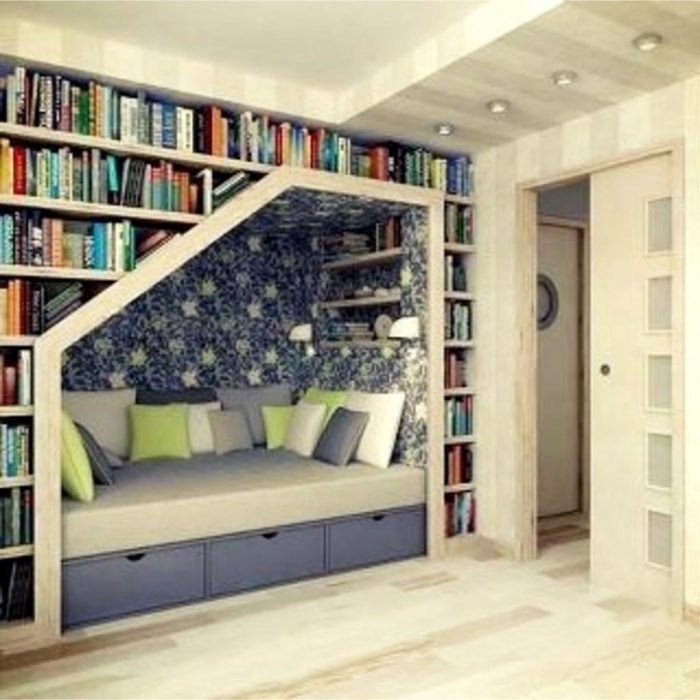
Maximizing storage in small spaces requires creative solutions and careful planning. Understanding the various types of storage available and their respective strengths and weaknesses is crucial for efficient space utilization. This section details several popular small space storage solutions, categorized for clarity and ease of comparison.
Categorization of Small Space Storage Solutions
The following table categorizes ten different small space storage solutions, highlighting their primary characteristics. This categorization aids in selecting the most appropriate solution based on individual needs and available space.
| Type | Solution | Advantages | Disadvantages |
|---|---|---|---|
| Vertical Storage | Tall Bookshelves | Maximizes vertical space, provides ample storage. | Can feel overwhelming visually in small spaces, requires careful placement to avoid obstructing light. |
| Vertical Storage | Multi-tiered storage racks | Highly customizable, excellent for various items. | Can be expensive depending on material and size, assembly can be time-consuming. |
| Under-bed Storage | Under-bed drawers/containers | Hides clutter, utilizes often-unused space. | Requires sufficient clearance under the bed, may not be suitable for all bed types. |
| Under-bed Storage | Under-bed storage bags | Lightweight, portable, and relatively inexpensive. | Less durable than rigid containers, may not be suitable for heavier items. |
| Wall-mounted Storage | Floating shelves | Space-saving, stylish, and easy to install. | Limited weight capacity, careful consideration of weight distribution is necessary. |
| Wall-mounted Storage | Wall-mounted cabinets | Offers concealed storage, adds functionality to walls. | Requires wall studs for secure mounting, professional installation might be needed. |
| Multi-functional Furniture | Storage ottomans | Provides seating and storage, versatile piece of furniture. | Limited storage capacity compared to dedicated storage units. |
| Multi-functional Furniture | Storage beds with drawers | Combines sleeping and storage, maximizes bedroom space. | Can be expensive, requires careful selection to ensure sufficient storage space. |
| Over-the-door Storage | Over-the-door organizers | Utilizes often-unused door space, ideal for smaller items. | May not be suitable for all door types, can obstruct door opening if overstuffed. |
| Closet Organization | Hanging organizers | Increases closet capacity, keeps items organized and visible. | Can reduce usable hanging space, requires careful planning to maximize efficiency. |
Comparison of Small Space Storage Solutions
This table compares ten different storage solutions across key factors: cost-effectiveness, space-saving efficiency, and ease of use. The ratings are subjective and based on general observations; actual experiences may vary.
| Storage Solution | Cost-Effectiveness | Space-Saving Efficiency | Ease of Use |
|---|---|---|---|
| Tall Bookshelves | Medium | High | Medium |
| Multi-tiered storage racks | Medium-High | High | Medium-Low |
| Under-bed drawers/containers | Medium | High | Medium |
| Under-bed storage bags | Low | Medium | High |
| Floating shelves | Low | High | High |
| Wall-mounted cabinets | High | High | Low |
| Storage ottomans | Medium-High | Medium | High |
| Storage beds with drawers | High | High | Medium |
| Over-the-door organizers | Low | Medium | High |
| Hanging organizers | Low | Medium-High | Medium |
Maximizing Vertical Space
In small spaces, the key to efficient storage lies in utilizing every inch available, and that often means looking upwards. Vertical storage solutions not only increase capacity but also help maintain a clutter-free and visually appealing environment. By strategically employing vertical space, you can transform a cramped room into a functional and organized haven.
Effective vertical storage maximizes cubic space rather than just floor space. This is especially beneficial in small apartments, studios, or rooms with limited floor area. The methods for achieving this are varied and adaptable to different needs and aesthetic preferences, ranging from simple shelving additions to more complex built-in structures. Careful planning and consideration of both functionality and visual appeal are crucial for success.
Shelving Units for Vertical Storage
Strategic placement of shelving units is a cornerstone of maximizing vertical space. Instead of single, large units, consider multiple smaller shelves placed at different heights to accommodate various items. For example, deep shelves near the floor could hold heavier items like storage bins, while shallower shelves higher up could display books or decorative objects. Open shelving offers easy access, while closed shelving with doors provides a cleaner look and hides clutter.
Consider using corner shelves to utilize often-wasted space. A well-designed shelving unit can easily double or even triple your storage capacity. Imagine a small, narrow room with shelves lining one wall, reaching almost to the ceiling. This dramatically increases storage potential without sacrificing valuable floor space.
Hanging Organizers for Enhanced Vertical Space
Hanging organizers offer a versatile and space-saving solution, particularly for closets and smaller rooms. Over-the-door organizers are excellent for shoes, toiletries, or cleaning supplies. Hanging shelves can be used in closets or even attached to walls, providing additional storage without taking up floor space. Fabric hanging organizers are lightweight and inexpensive, while more robust options made from wood or metal offer increased durability.
Think of a small bedroom closet where hanging shelves accommodate folded sweaters and other items, leaving the rod free for hanging clothes. This maximizes the closet’s vertical space and keeps everything neatly organized.
Loft Beds and Elevated Sleeping Solutions
Loft beds are a dramatic example of maximizing vertical space. By elevating the bed, a significant amount of space is created underneath, which can be used for a home office, storage area, or even a seating area. This is especially useful in studio apartments or rooms where space is at a premium. The space beneath a loft bed can be fitted with drawers, shelves, or even a small desk, transforming what was once wasted space into a functional area.
Consider a studio apartment where a loft bed frees up the floor space for a living area and workspace. The space under the bed might hold a sofa, desk, and storage units, maximizing the limited square footage.
Step-by-Step Guide: Building a Simple Vertical Storage Unit
This guide details constructing a simple, three-shelf vertical storage unit perfect for a small space.
- Materials: Three 12″ x 24″ pieces of plywood (shelves), four 24″ pieces of 2×4 lumber (supports), wood screws, wood glue, sandpaper.
- Measurements: Determine the desired height of the unit. This example assumes a total height of 36 inches, with shelves spaced 12 inches apart. Adjust as needed.
- Assembly: First, assemble the support structure. Attach two 24″ 2x4s vertically, 12 inches apart, using wood glue and screws. Repeat this for the other two supports. Ensure the supports are level and plumb. Attach the three plywood shelves to the support structure using wood glue and screws.
Sand down any rough edges.
- Finishing: Once the unit is assembled, sand all surfaces smooth. Apply a coat of paint or stain to protect the wood and enhance the aesthetics.
This simple unit provides significant vertical storage with minimal materials and effort. The dimensions can be easily adapted to fit any space.
Storage Solutions for Specific Rooms
Effective storage solutions are crucial for maximizing space and organization in small homes. Tailoring storage to the specific needs and challenges of each room is key to achieving a clutter-free and functional living environment. This section explores practical storage solutions for three common small rooms: bedrooms, bathrooms, and kitchens.
Bedroom Storage Solutions
Small bedrooms often present significant storage challenges. Optimizing vertical space and utilizing often-overlooked areas are vital strategies. Built-in wardrobes, if feasible, offer a significant advantage, allowing for customized shelving and drawers to accommodate clothing, bedding, and other items. Alternatively, multi-functional furniture such as ottomans with storage, beds with integrated drawers, and wall-mounted shelves provide valuable space-saving solutions.
Utilizing the space under the bed is another effective method, employing storage containers that slide easily underneath. Hanging organizers for closets maximize vertical space and keep clothing neatly arranged. Properly utilizing these methods can create a surprisingly spacious and organized bedroom.
Bathroom Storage Solutions
Bathrooms, particularly small ones, require creative storage solutions to accommodate toiletries, towels, and other essentials. Maximizing vertical space is paramount; tall, narrow cabinets or shelving units can make the most of unused wall space. Over-the-toilet organizers are a practical solution for storing cleaning supplies or extra toiletries. Utilizing the space under the sink with stackable drawers or pull-out organizers is another efficient strategy.
Clear containers allow for easy visibility and identification of contents. Consider installing recessed shelves into the walls to create discreet and space-saving storage. These techniques ensure both functionality and aesthetic appeal.
Kitchen Storage Solutions
Small kitchens often present the most significant storage challenges. Creative solutions are necessary to accommodate dishes, cookware, food items, and appliances within limited space. Vertical storage solutions such as tall, narrow cabinets and pull-out shelves maximize vertical space. Utilizing corner cabinets with specialized organizers allows for efficient use of often-underutilized space. Magnetic strips on the wall can hold knives and other metal utensils, freeing up drawer space.
Stackable containers and drawer dividers keep food items organized and easily accessible. A well-designed spice rack, either mounted on the wall or inside a cabinet door, keeps spices organized and within easy reach. Using slimline appliances and prioritizing multi-functional tools also helps reduce clutter and increase efficiency in a small kitchen. These solutions help create a well-organized and functional kitchen environment despite limited space.
STORAGE SOLUTIONS
Efficient storage solutions are not merely about tidying up; they significantly impact our overall well-being. A well-organized home contributes to reduced stress levels, improved mental clarity, and a more peaceful living environment. The ease of finding items, the absence of clutter, and the overall sense of control fostered by effective storage contribute to a more positive and less chaotic daily life.
The Impact of Efficient Storage on Home Organization and Stress Levels
Effective storage directly correlates with reduced stress and improved home organization. Clutter contributes to feelings of overwhelm and anxiety. Conversely, a streamlined, organized space promotes calmness and focus. Studies have shown a link between cluttered homes and increased cortisol levels (the stress hormone). Efficient storage systems, whether simple or complex, facilitate the easy location of items, minimizing the time and frustration spent searching.
This, in turn, contributes to a more relaxed and productive home environment. For example, a clearly organized pantry allows for quick meal preparation, reducing daily stress. Similarly, a well-organized closet streamlines getting ready in the mornings, saving time and reducing potential morning rush anxieties.
Comparison of Storage Materials: Wood, Plastic, and Metal
Wood, plastic, and metal each offer unique advantages and disadvantages as storage materials. Wood offers a classic, aesthetically pleasing look, often adding warmth to a space. However, it tends to be more expensive and requires more maintenance to prevent damage from moisture or pests. Plastic storage solutions are generally more affordable and lightweight, making them easy to move and clean.
However, they may not be as durable as wood or metal and can sometimes appear less aesthetically pleasing. Metal storage solutions, such as shelving units, are highly durable and often very strong, but can be more expensive than plastic and may not offer the same aesthetic appeal as wood, depending on the finish. The choice depends on the specific needs and priorities, considering factors such as budget, desired aesthetic, and the level of durability required.
For instance, a heavy-duty metal shelving unit might be ideal for a garage, while plastic bins might suffice for storing seasonal clothing.
Checklist for Choosing Storage Solutions
Before selecting storage solutions, several factors should be carefully considered to ensure they meet your specific needs and lifestyle. This checklist will help navigate the selection process.
- Room Purpose: Consider the specific function of the room (e.g., bedroom, kitchen, garage). Storage solutions should complement the room’s purpose.
- Available Space: Accurately measure the available space to ensure the chosen storage solutions fit comfortably without overcrowding the area.
- Item Type and Size: Assess the types and sizes of items to be stored. This determines the appropriate size and type of storage container or shelving unit.
- Budget: Set a realistic budget to avoid overspending. Compare prices from different retailers and consider the long-term value and durability of different materials.
- Aesthetic Preferences: Choose storage solutions that complement the overall style and décor of the room.
- Accessibility: Ensure that stored items are easily accessible. Avoid placing frequently used items in hard-to-reach locations.
- Durability and Maintenance: Select durable materials that can withstand regular use and require minimal maintenance.
Ultimately, effective small space storage is about more than just finding places to put things; it’s about creating a living environment that promotes calm and functionality. By thoughtfully selecting storage solutions tailored to your needs and lifestyle, and by adopting consistent decluttering practices, you can transform your small space into a haven of efficiency and style. Remember, the key is to prioritize functionality, aesthetics, and ease of access to create a space that truly works for you.
FAQ
What are the best materials for small space storage?
The ideal material depends on your budget and aesthetic preferences. Lightweight materials like plastic are affordable and easy to clean, while wood offers durability and a more classic look. Metal provides strength but can be more expensive.
How often should I declutter my small space?
Regular decluttering is crucial. Aim for a quick purge at least once a month, focusing on one area at a time. A more thorough declutter every three to six months is also recommended.
Can I build my own small space storage solutions?
Yes! Many simple storage solutions, such as shelves or vertical organizers, can be built with basic DIY skills and readily available materials. Online tutorials provide ample guidance.


