
Wall-mounted storage offers a transformative solution for maximizing space and enhancing the aesthetics of any room. From compact apartments to sprawling garages, the strategic use of wall-mounted shelves, cabinets, and racks can dramatically improve organization and functionality. This exploration delves into the diverse types of wall-mounted storage, the materials used in their construction, installation techniques, design considerations, and their application in various settings.
We’ll examine how to choose the right solution for your specific needs and environment, ensuring both practicality and style.
This guide provides a comprehensive overview, covering everything from selecting appropriate materials and mounting hardware to optimizing space and incorporating wall-mounted storage seamlessly into your existing interior design. Whether you’re aiming for a minimalist aesthetic or a rustic charm, we’ll explore how to effectively utilize vertical space to create a more organized and visually appealing living environment.
Types of Wall-Mounted Storage Solutions
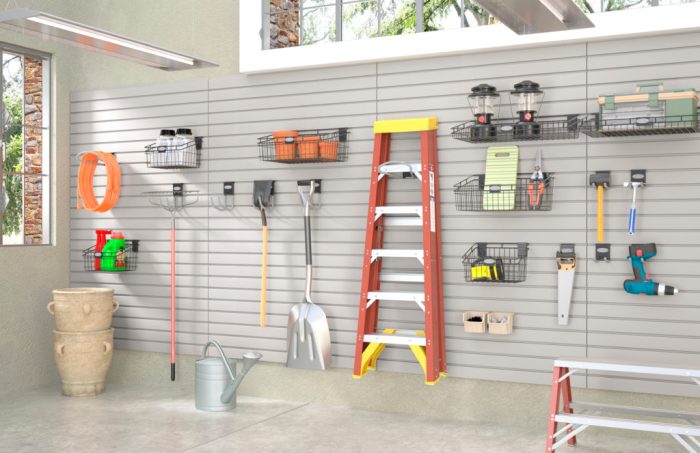
Wall-mounted storage offers a versatile and space-saving solution for various environments, from compact apartments to sprawling garages. By utilizing often-underutilized vertical space, these solutions maximize storage capacity without sacrificing valuable floor area. The choice of the most suitable type depends largely on individual needs, available space, and the aesthetic preferences of the user.
Categorization of Wall-Mounted Storage Solutions
The following table categorizes common types of wall-mounted storage, outlining their materials, typical applications, and respective advantages and disadvantages.
| Product Type | Material | Typical Uses | Pros/Cons |
|---|---|---|---|
| Shelves | Wood, metal, glass, plastic | Books, decorative items, plants, electronics | Pros: Versatile, customizable, relatively inexpensive. Cons: Can be less durable than cabinets, items may be prone to dust. |
| Cabinets | Wood, metal, MDF | Tools, cleaning supplies, documents, kitchenware | Pros: Enclosed storage protects items from dust and damage. Cons: More expensive and less flexible than shelves, require more precise installation. |
| Racks | Metal, wood | Bicycles, sporting equipment, tools | Pros: Strong and durable, suitable for heavy items. Cons: Can be bulky, less aesthetically pleasing than other options. |
| Hooks | Metal, plastic | Coats, bags, hats, keys | Pros: Simple, inexpensive, space-saving. Cons: Limited storage capacity, may not be suitable for heavy items. |
Wall-Mounted Storage Designs for Different Spaces
Effective wall-mounted storage design requires consideration of the specific needs and constraints of the space. Below are three examples demonstrating tailored solutions for different environments.
Small Apartment Storage Design
This design prioritizes maximizing storage in a limited space. A combination of floating shelves made from light-colored wood or bamboo would visually lighten the room. These shelves could be installed above a sofa or bed, providing space for books, decorative items, and small electronics. Below the shelves, a narrow, wall-mounted cabinet with a mirrored door could serve as a stylish storage solution for toiletries or other personal items, maximizing the reflective quality to enhance the sense of space.
Finally, several strategically placed hooks near the entryway would provide convenient storage for coats and bags.
Home Office Storage Design
For a home office, functionality and organization are key. A combination of modular shelving units, made from sturdy metal or wood, would create a customizable system for books, files, and office supplies. A wall-mounted cabinet with drawers and compartments would offer secure storage for important documents and personal items. A pegboard section could be integrated into the shelving unit to hang tools, writing implements, and other frequently used items, enhancing accessibility and organization.
This setup prioritizes easy access and a visually uncluttered workspace.
Garage Storage Design
Garage storage demands durability and strength. Heavy-duty metal shelving units would be ideal for storing tools, equipment, and supplies. These shelves should be designed to withstand considerable weight. A wall-mounted rack for bicycles or other sporting equipment would maximize vertical space. Heavy-duty hooks would be used for hanging tools and garden equipment.
Closed cabinets made of metal or sturdy plastic would protect sensitive items from dust and moisture. This design prioritizes robust storage and easy accessibility for frequently used items.
Materials Used in Wall-Mounted Storage
The choice of material for your wall-mounted storage significantly impacts its longevity, aesthetic appeal, and overall functionality. Understanding the properties of common materials allows for informed decision-making, ensuring the storage solution perfectly complements your space and needs. This section will delve into the specifics of various materials, comparing their strengths and weaknesses.
Different materials offer diverse characteristics in terms of durability, cost-effectiveness, visual appeal, and maintenance requirements. Selecting the right material depends on factors such as the intended use of the storage, the environment it will be placed in, and your personal preferences. Sustainability is also a crucial consideration in today’s environmentally conscious world.
Material Comparison: Durability, Cost, Aesthetics, and Maintenance
The following comparison highlights the key attributes of common materials used in wall-mounted storage solutions. This information helps to determine which material best suits specific needs and preferences.
- Wood: Offers excellent durability, especially hardwoods. Cost varies greatly depending on the type of wood used; some are quite expensive. Aesthetically pleasing, offering a natural warmth. Maintenance involves occasional dusting and polishing; potential for scratches and water damage.
- Metal: Highly durable and strong, capable of holding heavy loads. Cost is moderate to high, depending on the metal type (steel, aluminum, etc.). A modern, industrial aesthetic; can be painted or finished for different looks. Relatively low maintenance, requiring occasional cleaning. Susceptible to rust in humid environments unless properly treated.
- Plastic: Lightweight and inexpensive. Durability varies widely depending on the type of plastic used; some are quite fragile. Aesthetics are generally less appealing than wood or metal, though many styles are available. Easy to clean and maintain; however, can be prone to scratches and discoloration over time.
- Glass: Offers a sleek, modern aesthetic and allows for visibility of stored items. Relatively durable but can be fragile and prone to breakage. Cost can be moderate to high. Requires careful cleaning to avoid streaks and smudges; prone to chipping.
Sustainability Considerations for Wall-Mounted Storage Materials
The environmental impact of materials should be a key factor in selection. Consider the source, manufacturing process, and end-of-life management of each material.
- Wood: Sustainable if sourced from responsibly managed forests. Consider using reclaimed or recycled wood for a lower environmental impact. Proper disposal or recycling is important at the end of its lifespan.
- Metal: Recyclable and often made from recycled materials. Manufacturing processes can have significant energy requirements. Proper recycling at the end of life minimizes environmental impact.
- Plastic: Often derived from petroleum, a non-renewable resource. Manufacturing can be energy-intensive. Recycling rates vary widely; many plastics are not easily recyclable. Choosing recycled plastics is a more sustainable option.
- Glass: Recyclable and relatively inert. Manufacturing requires high temperatures, leading to energy consumption. However, glass recycling is widely practiced and efficient.
Material Selection Guide Based on Environmental Conditions
Environmental factors like humidity and temperature significantly impact the longevity and performance of wall-mounted storage. This guide helps in choosing appropriate materials for various environments.
- High Humidity Environments (Bathrooms, Kitchens): Avoid wood without proper treatment (water-resistant sealants are essential). Metal (especially stainless steel) and certain plastics are suitable choices. Glass is acceptable but requires careful cleaning to prevent water spots.
- High Temperature Environments: Wood and plastic may warp or discolor in extreme heat. Metal is generally more resistant, although some finishes may degrade at very high temperatures. Glass is relatively unaffected by heat.
- Cold Environments: Most materials will withstand cold temperatures; however, expansion and contraction can occur with temperature fluctuations. This is less of a concern for metal than for wood or plastic.
Installation and Mounting Techniques
Successfully installing wall-mounted storage hinges on careful planning and execution. Understanding your wall type and choosing the correct hardware are crucial steps to ensure a secure and long-lasting installation. Improper installation can lead to damage to your walls and even risk of injury, so following these guidelines is essential.
The process of installing wall-mounted storage varies depending on the type of storage and the material of your walls. However, several common steps apply across most installations. Proper preparation and attention to detail will ensure a successful and safe installation.
Step-by-Step Installation Process
The following steps provide a general guideline for installing most types of wall-mounted storage. Specific instructions may vary depending on the manufacturer’s instructions provided with your chosen product.
- Planning and Measurement: Carefully measure the space where you intend to install the storage unit. Ensure you have enough clearance and that the placement is aesthetically pleasing and functional. Mark the location on the wall with a pencil.
- Stud Location Identification (Recommended): If possible, locate wall studs using a stud finder. Securing the storage unit directly to studs provides the strongest and most secure mount. Mark the stud locations.
- Hardware Selection and Preparation: Choose appropriate mounting hardware based on the weight of the storage unit and the type of wall material (see below for details on hardware selection). Pre-drill pilot holes where necessary to prevent splitting the wood or damaging the wall.
- Mounting the Brackets or Supports: Attach the brackets or supports to the wall using the chosen hardware. Ensure they are level and securely fastened. Use a level to verify proper alignment.
- Attaching the Storage Unit: Carefully hang the storage unit onto the mounted brackets or supports. Ensure it is securely attached and stable.
- Final Inspection: Inspect the entire installation to ensure stability and security. Gently tug on the storage unit to confirm its secure attachment to the wall.
Selecting Appropriate Mounting Hardware
The type of wall material significantly impacts the choice of mounting hardware. Using the wrong hardware can lead to failure, damage, and potential injury.
| Wall Material | Recommended Hardware | Considerations |
|---|---|---|
| Drywall | Drywall anchors (plastic or metal), toggle bolts (for heavier items) | Drywall anchors provide good holding power for lighter items. Toggle bolts are necessary for heavier items to distribute weight effectively. Always check the weight capacity of the anchor. |
| Concrete | Concrete screws, masonry anchors | Concrete is strong, but requires specialized screws and anchors designed to penetrate and grip the material. Pre-drilling pilot holes is usually necessary. |
| Brick | Masonry anchors, brick bolts | Similar to concrete, brick requires specialized hardware to create a secure connection. Pre-drilling is usually recommended to prevent cracking. |
Securing Wall-Mounted Storage
Several methods can enhance the security and stability of your wall-mounted storage. These techniques are especially important for heavier units or those storing valuable items.
- Multiple Mounting Points: Using multiple mounting points distributes the weight more evenly, preventing stress on a single point. This is crucial for larger or heavier units.
- Reinforcement: For drywall, consider adding wood backing strips behind the mounting points. This provides a stronger surface for the screws to grip, especially when mounting heavier objects.
- Safety Straps or Cables: For particularly heavy or valuable items, consider using safety straps or cables to provide additional support and prevent accidental falls. These straps can be secured to the wall and the storage unit.
- Weight Distribution: Distribute the weight evenly within the storage unit. Avoid overloading any single shelf or compartment.
Storage Solutions (Broader Topic)
Effective storage is crucial for maintaining a tidy and organized home. While wall-mounted solutions offer valuable space-saving options, a comprehensive approach requires considering a wider range of storage solutions to meet diverse needs and locations within a home. This section explores various freestanding units, under-bed storage, attic storage, and other options, comparing their cost-effectiveness, space efficiency, and functionality.
Types of Storage Solutions and Their Applications
Beyond wall-mounted storage, numerous other solutions cater to specific needs and spaces. Freestanding units, such as bookshelves, wardrobes, and chests of drawers, provide versatile storage options adaptable to various rooms. Under-bed storage maximizes often-unused space, ideal for seasonal items or rarely used belongings. Attic storage, although requiring more effort to access, is perfect for storing bulky or infrequently used items.
Other solutions include utilizing storage ottomans, using decorative storage boxes, and installing closet organizers.
Comparison of Storage Solutions
Choosing the right storage solution involves considering several factors. Freestanding units offer flexibility in placement and style but can be more expensive and occupy floor space. Under-bed storage is cost-effective and space-saving but may require careful organization to prevent items from getting crushed or lost. Attic storage is generally inexpensive but accessing items can be inconvenient and may require additional storage containers to protect against dust and moisture.
The optimal solution depends on the available space, budget, and the frequency of item access.
Storage Solutions Categorized by Location and Use
The following table categorizes different storage solutions based on their typical location and use within a home:
| Storage Type | Location | Typical Use | Pros/Cons |
|---|---|---|---|
| Freestanding Bookshelf | Living Room, Bedroom, Office | Books, Decor, Files | Pros: Versatile, Customizable; Cons: Takes up floor space, can be expensive |
| Wardrobe | Bedroom | Clothing, Accessories | Pros: Ample storage, Conceals clothing; Cons: Can be bulky, expensive |
| Chest of Drawers | Bedroom, Nursery | Clothing, Linens, Toys | Pros: Organized storage, Mobile; Cons: Can be space-consuming, less versatile than wardrobes |
| Under-bed Storage Containers | Bedroom | Seasonal Clothing, Bedding, Luggage | Pros: Space-saving, Cost-effective; Cons: Items can be difficult to access, may require careful organization |
| Attic Storage | Attic | Bulky items, Seasonal Decor, Rarely used items | Pros: Inexpensive, large capacity; Cons: Inconvenient access, potential for damage from dust, moisture, or pests |
| Storage Ottoman | Living Room, Bedroom | Blankets, Toys, Games | Pros: Multifunctional, aesthetically pleasing; Cons: Limited storage capacity |
| Closet Organizers | Closets | Clothing, Shoes, Accessories | Pros: Maximizes closet space, improves organization; Cons: Can be expensive, requires careful planning and installation |
Ultimately, the choice of wall-mounted storage solutions hinges on a careful consideration of individual needs, available space, and aesthetic preferences. By understanding the various options, materials, and installation techniques, homeowners and renters alike can transform underutilized wall space into efficient and stylish storage solutions. From optimizing small apartments to decluttering garages, the benefits extend far beyond simply increasing storage capacity; they enhance the overall functionality and visual appeal of the space.
This guide aims to empower you to make informed decisions, creating a home environment that is both organized and aesthetically pleasing.
FAQs
What weight capacity should I consider when choosing wall-mounted storage?
Weight capacity varies greatly depending on the materials, construction, and mounting hardware used. Always check the manufacturer’s specifications and ensure your wall can support the intended weight.
How do I determine the best placement for wall-mounted storage?
Consider traffic flow, accessibility, and the items you plan to store. Placement should be convenient yet visually appealing, complementing the overall room design.
Can I install wall-mounted storage myself, or should I hire a professional?
Simple shelving units can often be installed by a DIY enthusiast. However, more complex installations or those involving heavy items may require a professional for safe and secure mounting.
What are some creative ways to use wall-mounted storage?
Beyond traditional storage, consider using wall-mounted solutions for displaying artwork, creating a home office, or adding vertical gardens.


