
Unlocking the often-overlooked space beneath your bed reveals a treasure trove of potential. Under-bed storage offers a surprisingly effective way to declutter and organize your home, transforming unused space into a functional and efficient storage area. This exploration delves into various solutions, from simple DIY projects to commercially available options, guiding you towards maximizing your storage capacity and creating a more organized living environment.
We’ll examine the different types of under-bed storage available, considering factors like material, durability, and ease of use. We’ll also explore techniques for optimizing space and keeping your under-bed storage neat and accessible. Whether you’re looking to store seasonal clothing, extra bedding, or bulky items, this guide provides practical advice and inspiration to help you create a more organized and efficient home.
Types of Under-bed Storage Solutions
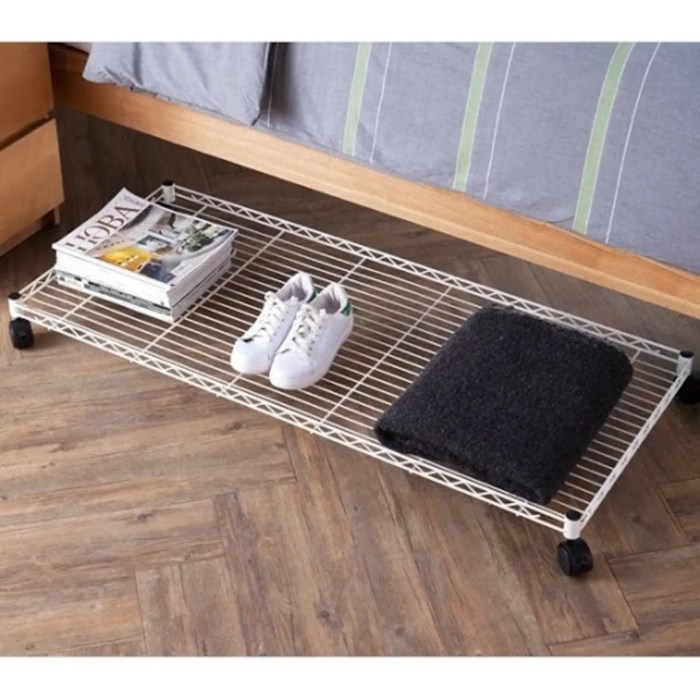
Maximizing space in any home, especially smaller ones, often requires creative storage solutions. Under-bed storage offers a practical and often overlooked way to reclaim valuable floor space. Several options exist, each with its own advantages and disadvantages depending on your needs and budget. This section will explore the various types of under-bed storage available.
Under-bed Storage Solution Comparison
The following table compares different types of under-bed storage solutions, highlighting their materials, benefits, and drawbacks.
| Type | Material | Pros | Cons |
|---|---|---|---|
| Rolling Containers | Plastic, fabric, woven baskets | Easy to access, mobile, relatively inexpensive, comes in various sizes and styles. | Can be less sturdy than other options, may not be suitable for heavier items, fabric containers can be prone to tearing. |
| Under-bed Drawers | Plastic, wood, metal | Organized storage, easy access, sturdy construction (depending on material), can hold heavier items. | More expensive than rolling containers, can be less mobile, may require more assembly. |
| Under-bed Shelves | Wood, metal, plastic | Versatile storage, good for a variety of items, can be customized to fit the space. | Can be difficult to access items at the back, may require more careful organization to prevent items from falling. |
| Lift-up Beds | Wood, metal | Provides significant storage space, often incorporates drawers or shelves within the frame, creates a clean and uncluttered look. | Expensive, requires significant space for the bed mechanism, may be difficult to assemble and maneuver. |
Visual Representations of Under-bed Storage Solutions
Imagine three scenarios: Scenario 1: Rolling Containers in a Small Bedroom. Picture a small bedroom with limited closet space. Several clear plastic rolling containers are neatly arranged under a low-profile bed frame. These containers are ideal for storing off-season clothing, bedding, or other lightweight items. Their transparency allows for easy identification of contents, while their mobility facilitates quick access. This solution is cost-effective and suits small spaces efficiently.
Scenario 2: Under-bed Drawers in a Medium-sized Bedroom. Visualize a medium-sized bedroom with a standard-height bed. A set of sturdy wooden under-bed drawers fits perfectly beneath the bed. These drawers provide organized storage for clothes, shoes, and other belongings. The drawers’ individual compartments offer better organization compared to rolling containers, suitable for those who prefer a tidier approach to storage. This option offers a balance between accessibility, organization, and durability.
Scenario 3: Lift-up Bed in a Child’s Room. Envision a child’s bedroom where space is at a premium. A lift-up bed with integrated storage underneath is the centerpiece. The bed lifts up to reveal spacious storage, possibly with shelves and compartments for toys, books, and extra bedding. This solution maximizes space and offers a unique, space-saving design, though it requires a larger initial investment.
Cost, Durability, and Ease of Use
The cost of under-bed storage solutions varies widely depending on the material, size, and complexity of the design. Rolling containers are generally the most affordable, while lift-up beds represent a significant investment. Durability also varies: plastic containers might crack under heavy weight, while well-made wooden drawers can last for years. Ease of use is another factor; rolling containers are the easiest to access, while reaching items in the back of under-bed shelves can be challenging.
Lift-up beds require a bit more effort to access the storage space, but offer the most significant storage capacity.
Choosing the Right Under-bed Storage Solution
Selecting the ideal under-bed storage solution involves careful consideration of several key factors to ensure optimal functionality and longevity. The right choice will depend on your specific needs and the characteristics of your bedroom. Making informed decisions upfront will prevent future frustrations and maximize the storage space available under your bed.
Several factors influence the selection process. Careful consideration of these points will lead to a more satisfying and efficient storage solution.
Factors to Consider When Selecting Under-bed Storage
Before purchasing under-bed storage, it’s crucial to assess your needs and the limitations of your space. The following points will help guide your decision-making process.
- Bed Frame Type: The height of your bed frame and its construction will determine the type and size of storage solution that will fit. Low-profile beds offer more storage options than those with higher frames or ornate detailing.
- Available Space: Measure the length, width, and height of the space under your bed accurately. This will help you determine the dimensions of the storage solution you can comfortably accommodate.
- Items to be Stored: Consider the size, shape, and weight of the items you plan to store. This will dictate the storage capacity and material requirements of the solution.
- Accessibility: Think about how easily you’ll need to access the stored items. Solutions with easy-glide drawers or roll-out shelves might be preferable to those requiring more effort to access.
- Budget: Under-bed storage solutions range in price. Set a budget beforehand to avoid overspending.
Comparison of Materials Used in Under-bed Storage Solutions
The material of your under-bed storage solution significantly impacts its durability, weight capacity, and lifespan. Understanding the pros and cons of each material is essential for making an informed choice.
| Material | Strength | Weight Capacity | Longevity |
|---|---|---|---|
| Plastic | Moderate; prone to cracking under heavy weight or impact. | Varies greatly depending on the thickness and design; generally suitable for lighter items. | Moderate; susceptible to cracking and fading with prolonged exposure to sunlight or extreme temperatures. |
| Fabric (Canvas, Non-Woven) | Low; requires a sturdy frame for support. | Low to moderate; suitable for lightweight items like clothing and linens. | Moderate; susceptible to tearing and staining; requires careful handling. |
| Wood | High; durable and resistant to damage. | High; can support heavier items. | High; with proper care, wooden storage solutions can last for many years. |
| Metal (Steel, Wire) | High; strong and resistant to bending. | High; can support heavy items. | High; durable but can rust if not properly treated. |
Best Under-bed Storage Solutions for Specific Needs
Different storage needs require different solutions. The optimal choice depends on the type and quantity of items to be stored.
For storing seasonal clothing, fabric storage bins or drawers are often ideal due to their lightweight nature and breathability. These allow for easy access and organization of clothes, keeping them protected from dust and moisture. For bedding, larger capacity plastic bins or wooden chests might be more suitable, providing sufficient space for bulky items like blankets, comforters, and pillows.
Lastly, for bulky items like suitcases or off-season sporting equipment, robust plastic or metal storage solutions with high weight capacities are recommended to ensure safety and prevent damage.
Ultimately, maximizing under-bed storage is about more than just tidying up; it’s about reclaiming valuable space and creating a more functional and aesthetically pleasing living area. By carefully considering your needs, selecting the right storage solution, and implementing effective organization techniques, you can transform the space under your bed from a neglected area into a well-utilized asset. This guide has equipped you with the knowledge and tools to achieve a more organized and clutter-free home, starting with the often-forgotten space beneath your bed.
Common Queries
What is the weight capacity of most under-bed storage solutions?
Weight capacity varies greatly depending on the material and construction. Check the manufacturer’s specifications before purchasing.
Can under-bed storage solutions damage my floor or bed frame?
Properly chosen and placed storage should not cause damage. Avoid overloading and ensure the storage fits your bed frame correctly.
How do I clean under-bed storage containers?
Cleaning methods depend on the material. Fabric containers can often be spot-cleaned or machine washed (check labels). Plastic and wood containers can usually be wiped clean with a damp cloth.
Are there under-bed storage solutions for platform beds?
Yes, low-profile rolling containers and shallow drawers are often suitable for platform beds. Measure the clearance under your bed frame before purchasing.


