
Efficient kitchen storage is the cornerstone of a functional and enjoyable cooking space. Whether you’re dealing with a sprawling kitchen or a cozy galley, effective organization dramatically impacts workflow and overall aesthetic appeal. This guide explores a wide range of solutions, from maximizing vertical space in small kitchens to crafting DIY storage options and maintaining a clutter-free environment. We’ll delve into various storage types, organization techniques, and cleaning strategies to help you transform your kitchen into a haven of efficiency and style.
From cleverly designed pantry organizers to repurposing everyday items, we’ll uncover practical strategies for every kitchen size and style. We’ll examine the pros and cons of different storage methods, helping you make informed decisions based on your individual needs and preferences. Ultimately, this guide aims to empower you to create a kitchen that is not only functional but also a reflection of your personal style.
Maximizing Space Efficiency in Small Kitchens
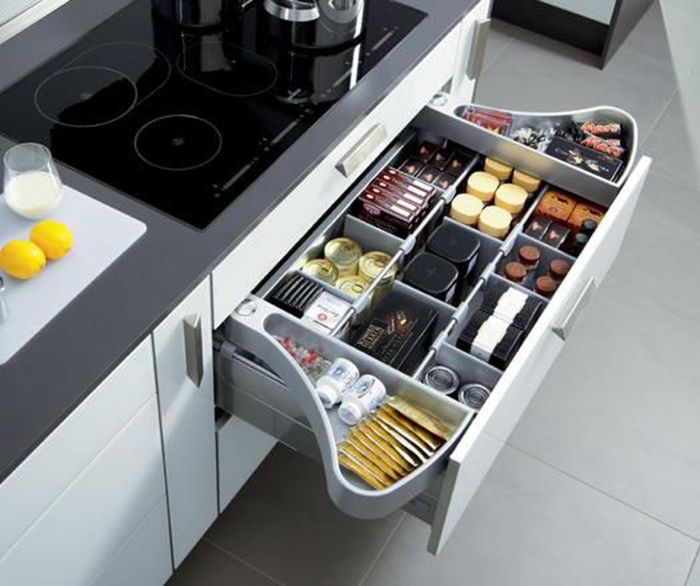
Small kitchens present a unique challenge: how to store everything you need without feeling cramped. The key lies in maximizing vertical space and employing clever design solutions. By strategically utilizing every inch, even the smallest kitchen can feel spacious and organized. This involves thoughtful planning and the implementation of practical storage solutions.
Optimizing storage in a small kitchen hinges on a holistic approach. It’s not just about buying containers; it’s about understanding your needs and utilizing space efficiently. This means thinking vertically, utilizing often-overlooked areas like the space above cabinets or under sinks, and choosing multi-functional furniture. Clever design choices, such as pull-out shelves and corner organizers, can significantly increase accessible storage space.
Vertical Space Utilization
Vertical space is often underutilized in small kitchens. By incorporating tall, narrow cabinets, stacking shelves, and using overhead storage, you can significantly increase your storage capacity. Consider installing shelves above cabinets to store infrequently used items, freeing up valuable counter and cabinet space. Think of it as creating a second tier of storage. Imagine a set of three deep, narrow cabinets reaching almost to the ceiling, with a row of smaller, shallower cabinets above them, housing items like holiday dishes or extra cookware.
The upper cabinets could also include glass-fronted doors for showcasing decorative items.
Organizing a Small Kitchen Pantry
Effective pantry organization is crucial in a small kitchen. A well-organized pantry maximizes space and ensures easy access to ingredients.
A step-by-step guide to organizing a small kitchen pantry involves these key steps:
- Purge and Sort: Begin by removing everything from your pantry. Discard expired items and donate or repurpose anything you no longer need. Group similar items together (canned goods, dry goods, snacks, etc.).
- Choose Your Containers: Select clear, stackable containers to store dry goods. This allows for easy visibility and inventory management. Consider using labeled airtight containers to maintain freshness and prevent pests.
- Optimize Shelf Space: Utilize adjustable shelves to customize the height of your shelves to accommodate various sized containers. Use shelf risers to create more vertical space. Place heavier items on lower shelves for stability.
- Implement a System: Organize your pantry by category (e.g., baking supplies, breakfast items, snacks). This makes finding items much easier. Consider using labels on containers for clear identification.
- Visual Representation: Imagine your pantry shelves. The bottom shelf holds large, heavy items like canned goods and jars of pasta sauce in clear, stackable containers. The middle shelf houses cereal, crackers, and snack bags in clear, airtight containers with labels. The top shelf contains less frequently used items, perhaps baking supplies or special occasion ingredients, neatly arranged in matching containers.
Innovative Storage Solutions for Small Appliances
Small kitchen appliances often consume significant counter space. Several innovative solutions can help minimize this.
Many options exist for storing small appliances efficiently. Consider these:
- Under-Cabinet Mounting: Many appliances, like toasters, can be mounted under cabinets, freeing up valuable counter space. This is particularly effective for items used frequently.
- Appliance Garages: These pull-out drawers or cabinets are specifically designed to store small appliances, keeping them hidden when not in use. This provides a sleek, organized look and maximizes counter space.
- Stackable Storage: Look for stackable organizers designed to hold appliances vertically, optimizing vertical space. This could involve a tall, narrow cabinet specifically designed to accommodate a blender, coffee maker, and perhaps a food processor, stacked neatly on top of one another.
- Multi-Functional Appliances: Consider investing in multi-functional appliances that combine the functions of several individual appliances, reducing the number of appliances needing storage.
Organizing Different Kitchen Items
Efficient kitchen organization is crucial for maximizing space and streamlining meal preparation. A well-organized kitchen promotes ease of access to frequently used items, reduces clutter, and ultimately saves time and effort. Proper storage solutions tailored to the specific needs of various kitchen items are key to achieving this.
Effective storage hinges on understanding the characteristics of different kitchen items and selecting appropriate containers and locations. This involves considering factors like frequency of use, size, and fragility. Categorizing items and assigning dedicated storage spaces is a fundamental principle of efficient kitchen organization.
Storage Solutions for Common Kitchen Items
The following Artikels suitable storage solutions for various common kitchen items, considering their size, shape, and frequency of use. Proper categorization and storage can dramatically improve kitchen efficiency.
- Pots and Pans: Utilize stackable organizers or pot racks to maximize vertical space. Heavier items should be stored at lower levels for safety and ease of access.
- Utensils: Drawer organizers, utensil holders, or magnetic strips on the wall are ideal for keeping utensils organized and readily available. Grouping similar utensils together enhances efficiency.
- Spices: A spice rack with clear jars and labels is essential for easy identification and access. Alphabetical or categorical arrangement (e.g., herbs, baking spices) can further enhance usability.
- Food: Utilize clear containers for dry goods to maintain freshness and visibility. First-in, first-out (FIFO) rotation is important to minimize food waste. Refrigerator and pantry organization systems, including shelf dividers and drawer organizers, can maximize space and visibility.
Organized Spice Rack Design
An efficiently organized spice rack enhances both the aesthetic appeal and functionality of the kitchen. A well-designed system promotes easy identification and access, ultimately saving time and preventing frustration during cooking.
Imagine a tiered spice rack mounted on the wall. The rack consists of three tiers, each holding approximately ten small, clear glass jars with airtight lids. Each jar is uniformly sized and labeled with a clearly printed black label displaying the spice name in a simple, sans-serif font. Spices are organized alphabetically from left to right, within each tier.
This arrangement ensures quick and easy location of any spice. The overall design is clean, minimalist, and easy to maintain.
Storing Bulky Items
Efficiently storing bulky items like baking sheets and cutting boards requires creative solutions that maximize vertical space and minimize wasted area. Proper storage ensures easy access and protects these items from damage.
- Baking Sheets: Store baking sheets vertically in a designated drawer or cabinet using dividers to prevent them from scratching or bending. Alternatively, they can be hung on the inside of a cabinet door using hooks.
- Cutting Boards: Large cutting boards can be stored vertically in a designated cabinet space using dividers, or hung on a wall-mounted rack. Smaller cutting boards can be stored in a drawer using vertical dividers or a dedicated organizer.
DIY Kitchen Storage Solutions
Creating efficient kitchen storage doesn’t require expensive renovations or professional help. Many clever and cost-effective solutions can be achieved through simple DIY projects, utilizing readily available materials and basic tools. These projects not only enhance storage capacity but also add a personalized touch to your kitchen.
Repurposed Jar Organization
Repurposing glass jars for storage offers a stylish and practical solution. Clean, empty jars of various sizes – from spice jars to larger canning jars – can be used to store dry goods, spices, or even utensils. This method maximizes vertical space and keeps items easily accessible.
- Materials: Clean glass jars (various sizes), labels (optional), markers or label maker.
- Steps: Thoroughly wash and dry the jars. Fill them with your chosen items. Apply labels to identify contents (this is especially helpful for spices). Arrange jars on shelves or in a designated area.
Wooden Crate Storage
Wooden crates, often found at flea markets or craft stores, provide rustic charm and excellent storage. They can be used as is or customized with paint, stain, or decoupage to match your kitchen’s aesthetic.
- Materials: Wooden crates (one or more), paint or stain (optional), sandpaper (optional), protective sealant (optional).
- Steps: If desired, sand the crates to smooth any rough edges. Apply paint or stain for a customized look, allowing ample drying time. Seal with a protective finish if needed. Place crates on countertops or shelves to store items such as fruits, vegetables, or kitchen linens.
Pull-Out Shelf for Cabinets
A simple pull-out shelf maximizes space within deep kitchen cabinets. This project requires basic woodworking skills and tools.
- Materials: Wooden board (cut to fit cabinet depth and width), sliding drawer runners (available at hardware stores), screws, wood glue.
- Steps: Measure the interior dimensions of your cabinet. Cut the wooden board to the appropriate size. Attach the drawer runners to the underside of the shelf and the inside of the cabinet sides, ensuring smooth sliding action. Securely fasten the shelf to the runners using screws. Test the pull-out mechanism before fully loading the shelf.
Upcycled Kitchen Item Storage
Many existing kitchen items can be transformed into creative storage solutions. For instance, an old ladder can be repurposed as a vertical spice rack, hanging mugs on hooks beneath shelves adds extra storage, and repurposed tin cans can be painted and used to hold utensils or cutlery. These creative ideas add a unique and personalized touch while simultaneously maximizing space.
Storage Solutions for Specific Kitchen Needs
Efficient kitchen storage goes beyond simply fitting items into cabinets; it’s about optimizing space for specific needs and maximizing accessibility. This involves addressing challenges posed by unique cabinet shapes and prioritizing frequently used items for easy reach. Clever storage solutions can transform even the most challenging kitchen layouts into highly functional spaces.
Corner Cabinet Storage Solutions
Corner cabinets, while offering significant storage capacity, often present accessibility challenges. Blind corner solutions, such as lazy Susans or magic corners, significantly improve usability. Lazy Susans are rotating shelves that allow easy access to items stored in the back. Magic corners utilize a system of pull-out shelves that maximize space and visibility. Choosing between these depends on budget and available space; lazy Susans are generally less expensive but may not offer the same level of organization as magic corners.
A well-designed corner cabinet system can effectively eliminate wasted space in this often-underutilized area.
Storage Solutions for Awkward Spaces
Many kitchens have awkward spaces – narrow vertical gaps, odd-shaped recesses, or areas under low-hanging cabinets. These spaces, often overlooked, can be transformed into valuable storage areas with creative solutions. Narrow vertical spaces are perfect for slimline spice racks or pull-out pantry organizers. Shallow drawers or customized shelving can effectively utilize spaces under low cabinets, ideal for storing frequently used items like cutting boards or baking sheets.
Recessed areas can be fitted with custom shelving or drawers to create hidden storage. The key is to carefully measure the space and select storage solutions that precisely fit.
Storage for Frequently Used Items
Optimizing storage for frequently used items is crucial for efficient workflow. Items like pots, pans, and frequently used spices should be easily accessible. Drawer organizers can streamline utensil and cutlery storage, while pot and pan organizers maximize vertical space in cabinets. Installing pull-out shelves near the stove makes accessing frequently used cookware quick and convenient. A well-organized system ensures you spend less time searching and more time cooking.
Consider proximity to cooking appliances when planning the placement of these items. For example, keeping frequently used spices near the stovetop saves steps during cooking.
Comparison of Drawer Organizers
Several types of drawer organizers cater to different needs and preferences. Simple dividers are effective for organizing cutlery and utensils, offering a cost-effective solution. Adjustable dividers provide greater flexibility, allowing customization to fit various item sizes. Custom-fit drawer inserts are designed to maximize space utilization within specific drawers, offering a seamless and tailored solution. The choice depends on the drawer size, budget, and desired level of organization.
Adjustable dividers offer a balance between cost and flexibility, making them a popular choice.
Pull-Out Drawers versus Traditional Shelving
Pull-out drawers and traditional shelving each offer distinct advantages and disadvantages. Pull-out drawers provide complete visibility and accessibility to all stored items, eliminating the need to reach deep into cabinets. However, they can be more expensive than traditional shelving and may not be suitable for all cabinet sizes. Traditional shelving is generally more affordable but requires reaching into the cabinet, potentially making accessing items at the back difficult.
The optimal choice depends on budget, cabinet design, and the frequency of access required for stored items. In many cases, a combination of both drawer and shelf storage is the most efficient solution.
Maintaining and Cleaning Kitchen Storage
Maintaining clean and well-organized kitchen storage is crucial for both hygiene and efficiency. Regular maintenance prevents damage, ensures the longevity of your storage solutions, and makes finding items easier. A clean and organized kitchen also contributes to a more pleasant cooking experience. This section details practical strategies for maintaining and cleaning various types of kitchen storage, ultimately optimizing your kitchen space.
Regular Maintenance Checklist for Kitchen Storage Solutions
A proactive approach to maintenance significantly extends the lifespan of your kitchen storage. This checklist Artikels key tasks to perform regularly, depending on the type of storage you have. Consistent attention to these details prevents problems before they arise and keeps your kitchen functioning smoothly.
- Wooden Shelves and Drawers: Dust regularly with a soft cloth. Wipe up spills immediately to prevent staining. Consider applying a food-safe wood polish or oil occasionally to maintain the finish and protect against moisture. Inspect for any signs of warping or damage and address these promptly.
- Metal Racks and Shelving: Clean with a damp cloth and mild detergent. Dry thoroughly to prevent rust. Check for any loose screws or bolts and tighten as needed. Avoid abrasive cleaners that can scratch the surface.
- Plastic Containers and Organizers: Wash regularly with warm soapy water. Avoid placing them in the dishwasher if not dishwasher-safe, as high heat can warp or discolor the plastic. Inspect for cracks or damage and replace as necessary.
- Glass Containers: Hand-wash gently with warm soapy water to prevent breakage. Avoid harsh scrubbing. Inspect for chips or cracks and replace any damaged containers immediately.
Cleaning and Organizing Kitchen Storage Solutions
Efficient cleaning techniques ensure hygiene and preserve the functionality of your storage. Addressing spills promptly prevents staining and damage. Regular decluttering maintains order and maximizes space.
When cleaning, always start by emptying the storage area completely. This allows for thorough cleaning and a fresh start. Use appropriate cleaning agents based on the material of your storage (avoid harsh chemicals on delicate materials). Wipe down all surfaces with a damp cloth, paying close attention to corners and crevices. After cleaning, carefully replace items, ensuring they are neatly arranged and easily accessible.
For dealing with spills, act quickly. Absorb as much of the spill as possible with paper towels or a clean cloth. Then, clean the affected area with warm soapy water. For sticky spills, consider using a solution of baking soda and water to help loosen the residue. Allow the area to dry completely before replacing items.
Decluttering and Purging Unwanted Items
Regular decluttering is essential for maintaining a functional and organized kitchen. This involves removing expired items, duplicates, and items you no longer use.
To declutter effectively, designate a specific time for the task. Go through each storage area, removing items that are expired, broken, or unused. Donate or discard unwanted items responsibly. Once decluttered, reorganize the remaining items for optimal efficiency. Consider using labeling systems to easily identify contents and maintain organization.
Remember, a decluttered kitchen is a more efficient and enjoyable space. Regular purging prevents accumulation of unnecessary items and keeps your kitchen running smoothly.
Storage Solutions Overview (Broader Scope)
Effective storage solutions are crucial for maintaining a tidy and organized home, regardless of its size. Choosing the right system can significantly impact the functionality and aesthetic appeal of every room, from maximizing closet space to efficiently utilizing garage storage. Understanding the various options available and their respective strengths and weaknesses allows for a tailored approach that optimizes space and simplifies daily life.
A wide array of storage solutions caters to diverse needs and preferences. These range from simple, inexpensive containers to elaborate, custom-built systems. The selection process involves considering factors like the type of item being stored, the available space, and the desired aesthetic. Properly implemented storage solutions contribute to a more efficient and stress-free living environment.
Types of Storage Containers and Their Suitability
The choice of storage container material significantly impacts its durability, cost, and suitability for different items. Plastic containers are widely popular due to their affordability, lightweight nature, and resistance to moisture. However, they may not be as durable as metal containers, which offer superior strength and longevity but come at a higher price point. Fabric containers, often used for clothing storage, provide flexibility and breathability but may not be ideal for heavy or delicate items.
The ideal choice depends on the specific needs of the storage application. For instance, plastic bins are excellent for storing pantry staples in a kitchen, while metal shelves are better suited for heavier items in a garage. Fabric storage cubes are perfect for organizing lighter clothing in a closet.
Matching Storage Solutions to Item Characteristics
Selecting appropriate storage solutions hinges on understanding the size, shape, and weight of the items being stored. Oversized items require larger containers or shelving units, while smaller items can be accommodated in smaller bins or drawers. Irregularly shaped items necessitate flexible storage options, such as fabric containers or custom-built shelving. Heavy items demand robust containers or shelving systems capable of withstanding the weight without compromising structural integrity.
For example, storing heavy books requires sturdy shelves, while delicate glassware benefits from padded compartments or dividers within a storage container. A well-organized pantry, for instance, might use a combination of deep drawers for bulky items, narrow shelves for spices, and smaller containers for frequently used ingredients.
Storage Solutions in Different Areas of the Home
The application of storage solutions varies considerably depending on the specific area of the home. Closets often benefit from vertical storage solutions like hanging organizers and shelf dividers to maximize space. Garages require durable and robust storage options, such as heavy-duty shelving units and waterproof bins, to accommodate tools, sporting equipment, and other potentially bulky items. Bathrooms often utilize specialized storage solutions, including over-the-toilet organizers, shower caddies, and mirrored cabinets, to optimize space and maintain hygiene.
Effective use of space in each area requires careful consideration of the items stored and the available space. A well-organized garage, for instance, might utilize wall-mounted storage to keep items off the floor and maximize floor space. A well-organized closet might employ cascading hangers to increase vertical space utilization.
Creating a well-organized kitchen is a journey, not a destination. By implementing the strategies Artikeld in this guide – from choosing the right storage solutions to maintaining a regular cleaning schedule – you can transform your kitchen into a space that’s both efficient and aesthetically pleasing. Remember, the key lies in finding a system that works for you, allowing you to enjoy the process of cooking and entertaining without the stress of clutter.
Embrace the process, adapt the solutions to your unique needs, and watch your kitchen evolve into a more functional and enjoyable space.
FAQ Compilation
What are the best materials for kitchen storage containers?
The best material depends on the item being stored. Glass is great for dry goods, plastic for leftovers, and stainless steel for durability. Consider factors like food safety, ease of cleaning, and aesthetic preference.
How often should I declutter my kitchen?
Aim for a quick declutter at least once a month, focusing on expired items and unused gadgets. A more thorough deep clean and declutter every 3-6 months is also recommended.
How can I prevent odors in my kitchen storage?
Use airtight containers for food, regularly clean shelves and drawers, and consider using odor absorbers like activated charcoal or baking soda in the pantry.


